Digital burnout is at an all-time high in 2026, and the backlash is here: the “Quiet Life Movement,” dumbphone-mode minimalism, and structured digital detox challenges are reshaping how millions of Americans relate to their screens. This guide delivers the most effective, psychology-backed life hacks to reclaim your attention, reduce stress, and actually enjoy your life offline in 2026.
You’re reading this on a screen. You’ve probably checked your phone 30+ times today. You opened three apps in the last two minutes. And somewhere in the back of your mind, a voice is whispering that this might not be making you happier.
That voice is now an entire cultural movement — and in 2026, it’s louder than it’s ever been.
Digital Burnout in 2026: We’ve Hit a Wall

The numbers are sobering. According to Newsweek’s 2026 analysis:
- The average American spends over 7 hours per day looking at screens — combining work, leisure, and incidental use.
- Social media and smartphone use is directly correlated with elevated cortisol levels (the stress hormone), reduced sleep quality, and higher rates of anxiety and depression.
- The “infinite scroll” design of social platforms is explicitly engineered to prevent natural stopping points — a feature, not a bug, from the platform’s revenue perspective.
What’s different in 2026 is that the awareness has reached critical mass. Digital burnout is no longer a fringe concern — it’s mainstream enough that Gen Z, the generation that grew up on smartphones, is leading the pushback against hyper-connected lifestyles.
The “Quiet Life Movement”: 2026’s Most Important Cultural Shift
The Quiet Life Movement is a growing social trend where people intentionally reduce their digital footprint, embrace minimalism, prioritize mental health over productivity, and seek meaningful offline experiences. Unlike earlier digital wellness trends, the Quiet Life Movement isn’t about periodic detox retreats or social media fasts. It’s about a permanent reconfiguration of how you relate to technology.
The movement’s core principles:
- Intentional consumption: Using technology when it serves you, not reflexively or out of habit.
- Analog anchors: Maintaining specific parts of daily life that are permanently screen-free.
- Slowness as a value: Choosing slower, more deliberate experiences over optimized, efficient ones.
- Social depth over breadth: Fewer but more meaningful relationships over wide, shallow social networks.
The “Dumbphone-Mode” Hack That’s Going Viral in 2026
Newsweek’s 2026 feature on smartphone detox revealed the technique getting the most traction among Gen Z digital minimalists: “dumbphone mode” — transforming a smartphone into something close to a pre-internet cell phone without actually giving it up.
The dumbphone-mode setup involves:
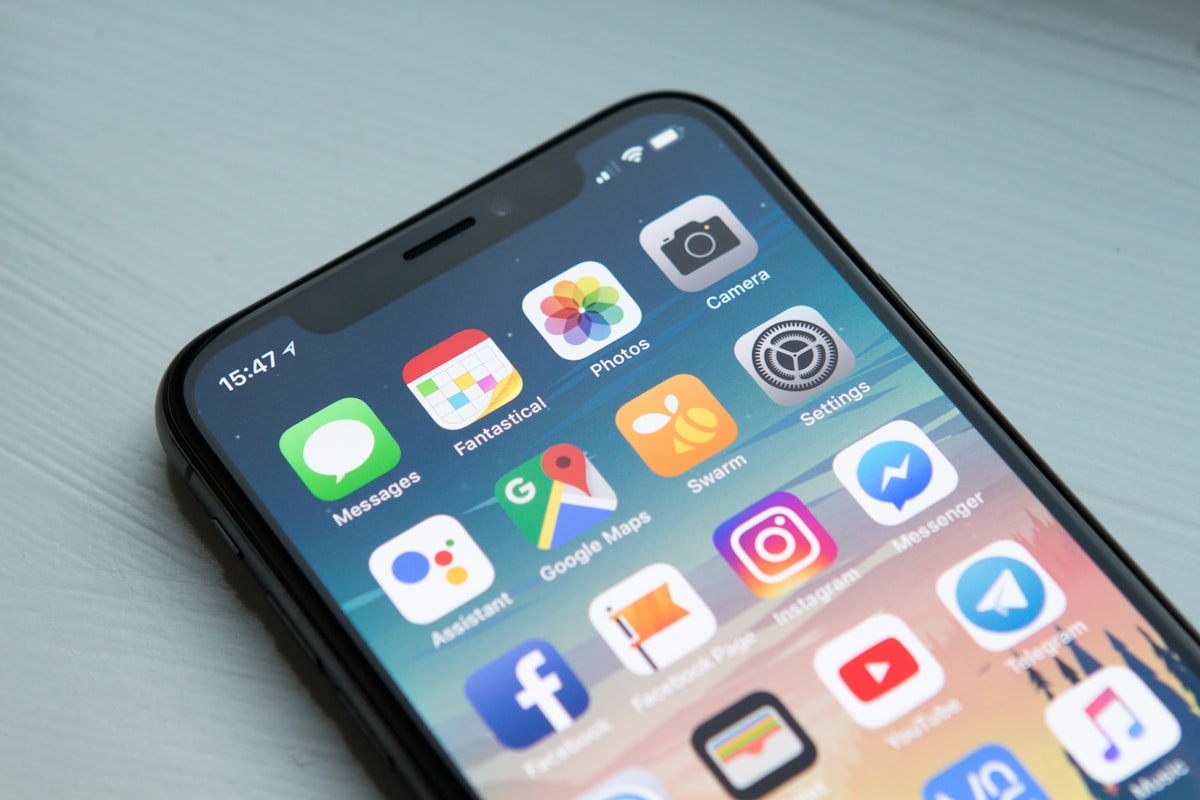
- Remove all social media apps from your home screen (delete or move to a secondary device).
- Disable notifications for everything except calls and essential messaging.
- Switch to grayscale display — color screens are neurologically more stimulating and addictive. Grayscale dramatically reduces reflexive phone reaching.
- Delete unused apps — aim for fewer than 12 apps on your primary screen.
- Install a minimalist launcher — apps like Minimalist Phone or BeforeYouBuy replace your default home screen with a simple text-based interface.
- Remove your browser bookmarks and news apps — accessing content should require intentional navigation, not a reflexive tap.
Users who have adopted dumbphone-mode report average daily screen time reductions of 2–3 hours within the first week — without giving up the smartphone features they actually need (maps, camera, messaging).
Digital Minimalism Blueprint: The 5-Step System
BookmarkSharer’s comprehensive Digital Minimalism Guide for 2026 outlines a structured approach to reclaiming your digital life. Here’s the condensed framework:
Step 1: Digital Audit
Spend one week tracking your screen time by category using your phone’s built-in Screen Time (iOS) or Digital Wellbeing (Android) tools. Most people are shocked by the actual numbers. Knowledge precedes change.
Step 2: The 30-Day Declutter
Inspired by Cal Newport’s “Digital Minimalism” methodology: take a 30-day break from all optional digital technologies. This isn’t about permanent elimination — it’s about resetting your baseline so you can make intentional choices about what to bring back.
Step 3: Build Analog Replacements
For every digital habit you reduce, build an analog replacement:
- Replace social media scrolling → physical book or magazine
- Replace digital journaling → paper notebook
- Replace digital planning → physical planner or bullet journal
- Replace podcast listening during meals → real conversation or silence
Step 4: Create Digital-Free Zones
Research cited in BeMoreWithLess.com shows that bedroom phone bans improve sleep quality measurably within 2 weeks. The dinner table is the second highest-impact screen-free zone. Bathroom phone bans — less popular but significant — reduce overall daily use by removing a habitual 15–20 minutes of consumption.
Step 5: Maintenance Rituals
Sustainable digital minimalism requires ongoing maintenance — not a one-time reset:
- Weekly inbox tidy: Unsubscribe from email lists, clear notifications, delete unused apps.
- Monthly photo cull: Delete low-quality photos from your camera roll (most people have thousands of unsorted images creating background cognitive clutter).
- Quarterly app audit: Remove any apps you haven’t opened in 30 days.
The Science Behind Digital Detox: What Actually Works
Psychology-backed research reviewed by Routledge in their 2025 digital detox analysis identifies the interventions with the strongest evidence base:
- Phone-free mornings: Avoiding your phone for the first 60 minutes of the day measurably lowers cortisol levels and reduces baseline anxiety throughout the day. This single habit consistently ranks as the highest-impact digital detox intervention in controlled studies.
- Notification batching: Checking notifications at scheduled intervals (every 90 minutes) rather than continuously reduces stress response and improves cognitive performance on demanding tasks by up to 26%.
- Physical reading before sleep: Reading physical books (not e-readers) for 20 minutes before bed reduces time to fall asleep by an average of 9 minutes and improves sleep quality scores significantly.
The “Analog Bag” — 2026’s Simplest Life Hack
Healthline’s 2026 feature on analog living introduced a concept gaining rapid traction: the “analog bag” — a physical container (bag, basket, or box) that holds all your screen-free activities within easy reach.
The idea is behavioral design: you’re more likely to pick up a book, sketch pad, or puzzle if it’s physically present and accessible than if you have to retrieve it from another room while your phone is in your hand. The analog bag puts offline options at the same friction level as scrolling.
What to put in your analog bag:
- A book you’re currently reading
- A notebook and pen
- A small puzzle or fidget tool
- Playing cards or a simple game
- A printed magazine or newspaper
Life Hacks for 2026: The Minimalism Angle
Digital minimalism exists within a broader minimalism trend that beingmaster.com’s 2026 lifestyle analysis identifies as one of the year’s defining life upgrade movements. Physical decluttering and digital decluttering reinforce each other — research shows that people who reduce physical clutter report higher success rates at digital minimalism interventions, and vice versa.
The most actionable minimalism-adjacent life hacks for 2026:
- The one-in-one-out rule: For every new item (physical or digital app) you bring in, remove one. Prevents accumulation from resuming.
- The 90/90 rule: If you haven’t used something in 90 days, and you wouldn’t buy it again at current prices, remove it from your life.
- Time-boxing leisure: Schedule specific times for leisure activities (including social media) rather than leaving them as open-ended. This prevents time-sink behavior and makes leisure feel more intentional and satisfying.
- Single-tasking commitment: Choose one thing to do and do only that. The productivity research on multitasking is unambiguous: it reduces performance on all tasks simultaneously and increases stress. Single-tasking is both more efficient and more enjoyable.
The bottom line is simple, even if the practice is hard: in 2026, the most radical act is choosing to be present. Not present on social media. Not present in your inbox. Present in your actual life — the one happening in the room around you, not the one curated for an algorithm.
Your attention is the most valuable resource you possess. In 2026, more forces than ever are competing to capture it for their benefit. The life hacks above are less about productivity tips and more about reclaiming sovereignty over where your mind actually goes — and in doing so, living a life that’s genuinely, not performatively, yours.
Sources
- Newsweek — How to Instantly Dumb Down Your Smartphone for a Scrolling Detox in 2026
- BookmarkSharer — Simplify Your Tech, Amplify Your Life: A Digital Minimalism Blueprint for 2026
- The Aesthetic Life — Digital Burnout in 2026
- Routledge — The Top Digital Detox Trends in 2025 Backed by Psychology
- Healthline — Digital Minimalism and Analog Bags: Our Editor’s Experience
- Be More With Less — The Art of Digital Minimalism: 5 Steps to Detox Your Digital Life
- LifeMinnt — Less Is More 2026: A Practical Minimalism Guide for Modern Life