Summary of Main Ideas
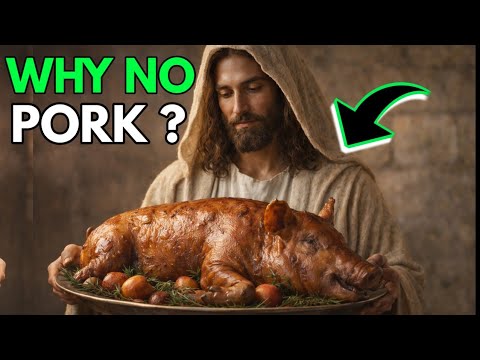
• Jesus’s most direct teaching on food laws appears in Mark 7:18-19 and Matthew 15:10-20, where he declared that food cannot spiritually defile a person—only evil from the heart can.
• This teaching fundamentally challenged the Old Testament prohibition on pork found in Leviticus 11:7-8, shifting focus from external regulations to internal moral purity.
• The phrase “Thus he declared all foods clean” in Mark 7:19 is interpreted by biblical scholars as Jesus nullifying dietary distinctions under the New Covenant.
• Early Church leaders, including Peter’s vision in Acts 10 and the Council of Jerusalem, extended this freedom to Gentile believers, exempting them from Mosaic food laws.
• Jesus’s approach prioritizes heart-based transformation over legalistic rule-following—a leadership principle with profound implications for modern organizational culture.

Introduction
For centuries, one question has sparked heated debates in religious circles, dinner tables, and surprisingly, boardrooms. What did Jesus actually say about eating pork? The answer might shock you—not because it’s controversial, but because it reveals a leadership philosophy that transcends ancient dietary laws.
If you’re a CEO navigating company policies, an entrepreneur building organizational culture, or a manager balancing tradition with innovation, this biblical teaching offers unexpected insights. Jesus didn’t just address food. He redefined how we think about rules, tradition, and what truly matters in life and leadership.
Let’s dive into what the historical Jesus actually said—and why it matters more than you think.

The Pork Problem: A 1,400-Year Tradition Gets Challenged
Imagine being a first-century Jewish leader. For over a millennium, your people avoided pork. It wasn’t a suggestion—it was divine law, written in Leviticus 11:7-8. Pigs were labeled “unclean” because they have divided hooves but don’t chew the cud.
These dietary laws (kashrut) weren’t arbitrary. They set Israel apart culturally and spiritually in ancient contexts. Following them demonstrated covenant faithfulness, community identity, and religious devotion.
If you want to understand how pork prohibitions shaped global culture and business, check out pork prohibition in Abrahamic religions and its impact on global business.
Then Jesus shows up and flips the script.

The Definitive Moment: Mark 7:18-19
Jesus’s clearest teaching on eating pork appears in Mark 7:18-19. The context? He’s addressing Pharisees who criticized his disciples for not washing their hands before eating.
Here’s what he told them: “Do you not see that whatever goes into a person from outside cannot defile him, since it enters not his heart but his stomach, and is expelled?”
Then comes the bombshell—a parenthetical note that many translations include: (Thus he declared all foods clean.)
If you want more detail on how this passage has been interpreted among Judaism, Islam, and Christianity, read pork in Judaism, Islam, and Christianity: religious dietary rules explained.
Read that again. All foods. Clean.
This wasn’t a minor theological adjustment. This was a complete paradigm shift. The ESV, NIV, and other major translations interpret Jesus’s words as nullifying dietary distinctions entirely.
Think about the implications. A 1,400-year-old law, considered sacred and unchangeable, was being reinterpreted by someone claiming authority over religious tradition.
For a broader overview of differing viewpoints, see pork in Judaism, Islam, and Christianity: religious rules and business impact.

Matthew’s Parallel Account: Internal vs. External
Matthew 15:11, 17-20 provides parallel coverage with additional clarity. Jesus states: ‘It is not what goes into the mouth that defiles a person, but what comes out of the mouth.‘
He continues: ‘Do you not see that whatever goes into the mouth passes into the stomach and is expelled? But what comes out of the mouth proceeds from the heart, and this defiles a person.‘
Notice the leadership principle embedded here. Jesus prioritizes internal moral purity over external compliance. He’s not interested in surface-level rule-following. He cares about heart transformation.
For business leaders, this resonates powerfully. How many organizations have extensive compliance manuals but toxic cultures? How many employees follow the letter of company policies while violating their spirit?
If you’re building global business relationships, understanding pork prohibition context really matters: religious pork prohibitions and business impact for global leaders.
Jesus targets this exact disconnect—2,000 years before modern HR departments discovered it.

Why This Teaching Was Revolutionary
Let’s put ourselves in the sandals of Jesus’s audience. These weren’t abstract theological debates. Food laws governed daily life, social interactions, and religious identity.
Breaking bread with Gentiles? Forbidden. Eating at certain establishments? Unthinkable. These laws created clear boundaries between “us” and “them,” between clean and unclean, between acceptable and forbidden.
A full exploration of business and cultural dimensions can be found at pork prohibition in Abrahamic religions and its impact on global business.
Jesus challenged the entire system. He argued that moral defilement comes from within—from greed, malice, deceit, pride, and foolishness—not from dietary choices.
This was scandalous. Revolutionary. Dangerous.
Religious leaders built careers enforcing these laws. Their authority rested on maintaining these distinctions. Jesus threatened their entire power structure by declaring it spiritually irrelevant.
For a broader comparison of Abrahamic faiths and pork, see pork in Judaism, Islam, and Christianity: religious rules and business impact.

The Old Testament Foundation: Understanding the Contrast
To appreciate Jesus’s teaching, we need to understand what he was challenging. Leviticus 11:7-8 explicitly states: ‘And the pig, because it parts the hoof and is cloven-footed but does not chew the cud, is unclean to you. You shall not eat any of their flesh.‘
Clear. Direct. Unambiguous.
These Mosaic laws served multiple purposes in ancient Israel. They promoted health in pre-refrigeration societies. They created cultural distinctiveness among surrounding nations. They reinforced covenant identity and obedience to divine command.
For over a millennium, observant Jews avoided pork entirely. It wasn’t negotiable.
For additional insights on religious dietary rules in a business context, see pork in Judaism, Islam, and Christianity: religious dietary rules explained.
Jesus didn’t attack these laws as evil or wrong for their time. He shifted the conversation from external regulations to internal transformation. The focus moved from ritual purity to heart-based righteousness.

The Interpretive Debate: What Did Jesus Really Mean?
Biblical scholars have debated this passage for centuries. The majority interpretation holds that Jesus declared all foods clean, effectively ending dietary restrictions for his followers.
The phrase in Mark 7:19—”Thus he declared all foods clean“—appears in most major translations. This parenthetical note represents the Gospel writer’s interpretive comment, explaining what Jesus meant.
Some argue Jesus was only addressing ritual handwashing, not food types themselves. However, the text’s internal logic applies broadly. If food entering the body cannot defile because it passes through the digestive system, this reasoning applies to all food—including pork.
Isaiah 66:17 critiques pork-eating in judgment contexts, but this predates Jesus’s teaching. The Old Testament prohibition remained in force until Jesus’s New Covenant declaration.
For more, see the cluster articles at pork prohibition in Abrahamic religions and its impact on global business and pork in Judaism, Islam, and Christianity: religious rules and business impact.

Early Church Application: From Theory to Practice
If any doubt remained about Jesus’s meaning, the early Church settled it decisively. Acts 10:9-16 records Peter’s vision, where God tells him three times: “What God has made clean, do not call common.”
Peter, a lifelong observant Jew, initially resists. But the vision’s meaning becomes clear: God was removing the barriers between Jews and Gentiles, including dietary laws.
The Council of Jerusalem (Acts 15) further clarified this. Gentile believers were exempted from full Mosaic law observance. The requirements? Abstain from blood and strangled meat—but notably, not pork.
This wasn’t accidental. The early Church understood Jesus’s teaching as liberating believers from dietary restrictions while maintaining certain practices for community harmony.
Business leaders working across cultures should consult religious pork prohibitions and business impact for global leaders to navigate these issues wisely.

The Leadership Principle: Heart Over Rules
Here’s where this ancient teaching becomes powerfully relevant for modern leaders. Jesus modeled a leadership approach that prioritizes internal transformation over external compliance.
Consider your organization. Do you have employees who follow every policy but create toxic environments? Do you have rules that made sense historically but now hinder innovation?
Jesus addressed this exact dynamic. The Pharisees had created elaborate traditions around handwashing—not biblical commands, but human additions. They prioritized these external rituals over heart-based righteousness.
Sound familiar? How many corporate cultures prioritize appearance over substance, compliance over character, tradition over effectiveness?
Jesus’s teaching challenges leaders to examine what truly matters. Are you measuring the right things? Are your rules serving your mission, or has maintaining rules become the mission?
For insights into the cultural impact of religious food laws, see pork in Judaism, Islam, and Christianity: religious dietary rules explained.

Christian Freedom and Conscience: The Paul Connection
The Apostle Paul expanded on Jesus’s teaching in Romans 14, calling food matters “disputable.” He wrote that those who eat certain foods shouldn’t judge those who don’t—and vice versa.
Paul emphasized conscience over legalism. If someone believes eating certain foods is wrong, they shouldn’t violate their conscience. But they also shouldn’t impose their convictions on others.
This principle revolutionizes how we think about organizational culture. Strong cultures provide clear values while allowing individual expression within those boundaries. They don’t micromanage behavior but cultivate character.
Modern groups like the Latter-day Saints interpret these laws as fulfilled, not binding. They favor moderation and wisdom over rigid prohibition. The focus shifts from “Is this technically allowed?” to “Is this wise and beneficial?”
If you operate in markets where pork laws apply, explore pork prohibition in Abrahamic religions and its impact on global business for practical guidance.

The Theological Implications: A New Covenant
Jesus’s teaching on food represents something far bigger than menu options. It signals a fundamental shift from the Old Covenant to the New Covenant.
Under the Mosaic system, external observance demonstrated covenant faithfulness. Circumcision, dietary laws, sabbath keeping—these physical acts created visible boundaries.
Under the New Covenant, Jesus internalized these requirements. Circumcision of the heart matters more than physical circumcision. Sabbath rest becomes spiritual rest in Christ. Dietary purity gives way to moral purity.
This doesn’t mean rules disappear. It means rules serve a different purpose. They guide rather than define. They point toward deeper realities rather than becoming ends in themselves.
For organizational leaders, this distinction is crucial. Rules and policies serve your mission and values. When they become obstacles to your mission, they need reevaluation.
A comprehensive breakdown of these transitions can be found at pork in Judaism, Islam, and Christianity: religious rules and business impact.

What Jesus Didn’t Say
It’s equally important to note what Jesus didn’t say. No search results indicate he endorsed pork-eating rituals or made pork consumption a requirement. He didn’t demand his followers eat pork to prove their freedom.
Jesus simply removed the prohibition. He declared food spiritually neutral—neither defiling nor sanctifying.
This nuanced approach matters. Christian freedom isn’t about flaunting liberty or forcing others to adopt your practices. It’s about releasing people from unnecessary burdens while maintaining essential truths.
Leaders often miss this nuance. They either maintain outdated rules too rigidly or discard all structure too quickly. Jesus modeled a third way: discerning what truly matters and releasing what doesn’t.

Modern Application for Leaders
So what does a first-century teaching about pork mean for twenty-first-century business leaders?
First, examine your rules. Which policies serve your mission? Which exist merely because “we’ve always done it this way“? Jesus challenged 1,400 years of tradition when it obscured deeper truth.
Second, prioritize character over compliance. Your organization needs people with good hearts, not just policy followers. Invest in internal transformation, not just external conformity.
Third, distinguish between essentials and preferences. Jesus identified what truly defiles: greed, malice, deceit, pride, foolishness. These heart issues destroy organizations. Focus your energy there.
Fourth, grant freedom within boundaries. The early Church maintained some dietary guidelines for community harmony while removing others. Define your non-negotiables clearly, then grant freedom elsewhere.
Fifth, lead with conviction, not coercion. Jesus taught and explained. He didn’t force compliance. He transformed hearts, which ultimately changed behavior.
For detailed analysis of how these dietary traditions affect global business and leadership, see religious pork prohibitions and business impact for global leaders.

The Shocking Truth Revealed
Here’s the shocking truth about Jesus and pork: He declared it completely permissible. No qualifications. No exceptions. No spiritual defilement.
But the deeper shocking truth? This teaching reveals a leadership philosophy that transforms organizations. Jesus cared about hearts, not rituals. Character, not compliance. Internal reality, not external appearance.
He challenged a 1,400-year tradition because it had become a barrier to what truly mattered. He risked his reputation and safety to teach this principle. He prioritized truth over tradition.
That’s revolutionary leadership.
For the CEO navigating organizational change, this offers encouragement. Changing outdated systems is difficult. People resist. Tradition fights back. But if the change serves truth and mission, it’s worth pursuing.
For the manager building team culture, this provides direction. Cultivate character. Prioritize heart transformation. Don’t just enforce rules—develop people.
For the entrepreneur establishing company values, this gives clarity. Define what truly matters. Build systems that serve those values. Grant freedom where possible.

The Bottom Line
Jesus’s teaching on eating pork wasn’t really about pork. It was about priorities, purity, and the difference between external rules and internal reality.
He declared all foods clean in Mark 7:18-19, fundamentally challenging Old Testament dietary law. He prioritized what comes from the heart over what goes into the stomach.
Early Church leaders understood and applied this teaching, exempting Gentile believers from Jewish food laws. Paul expanded it, emphasizing conscience and freedom over legalism.
The leadership principle? Focus on what truly defiles—greed, malice, pride, deceit. Build cultures around character, not just compliance. Distinguish between essential values and changeable traditions.
To better grasp the full business and cross-cultural significance, visit pork in Judaism, Islam, and Christianity: religious dietary rules explained.
That’s the shocking truth Jesus taught. And it’s as relevant in modern boardrooms as it was in first-century Galilee.
The question isn’t whether you can eat pork. The question is whether you’re leading with the same heart-first, principle-driven approach that Jesus modeled. That’s where the real transformation happens—in organizations, in culture, and in lives.

Key Takeaways
- Jesus shifted the focus from dietary rules to the condition of the heart.
- He declared all foods clean, overturning a 1,400-year tradition.
- Early Christians, including Peter and Paul, reinforced the freedom from these food laws.
- The underlying leadership principle: character matters more than compliance.
- Organizational transformation requires reevaluating which rules serve your mission.
Frequently Asked Questions (FAQ)
-
Did Jesus specifically mention pork?
No, Jesus didn’t mention pork by name. However, his teaching in Mark 7:18-19 and Matthew 15:10-20 is widely understood as removing the prohibition on all foods, including pork. -
Did the early church require Gentile Christians to avoid pork?
No. After Peter’s vision in Acts 10 and decisions at the Council of Jerusalem (Acts 15), Gentile believers were not required to observe Jewish dietary laws, including pork restrictions. -
Why were food laws given in the Old Testament?
They served to set Israel apart, promote health, and reinforce obedience. Jesus affirms their validity for their time but shifts the focus to inner transformation. -
Does Christian freedom mean you have to eat pork?
No. Paul teaches that conscience matters—if eating or not eating honors God and maintains peace, both are permitted. -
What’s the leadership lesson in Jesus’s teaching?
Leaders should care more about character than outward compliance—just as Jesus prioritized internal purity over external ritual.
See more at this link: https://youtu.be/e38f_jJidnQ?si=jYHVaMU3YWy28DOo