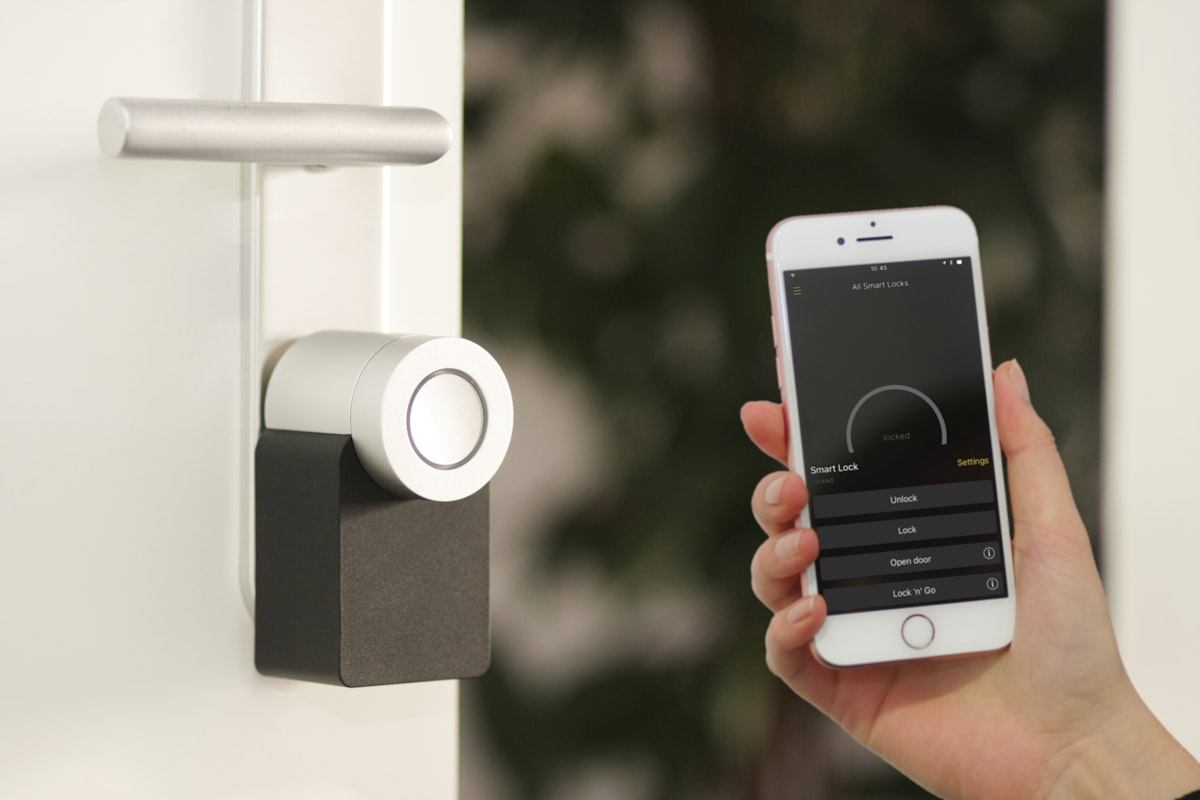
Quick Summary: Smart home technology in 2026 has crossed a critical threshold: it now genuinely saves households money rather than just adding convenience. From AI-powered energy management to predictive appliance maintenance, the best smart home upgrades are delivering measurable ROI — while Matter protocol finally solves the fragmentation problem that held the industry back for years.
For years, smart home technology promised a future that never quite arrived. You’d buy a smart thermostat, then discover it didn’t talk to your lights. You’d invest in a security system, then find it was locked to a single app ecosystem. The dream of a seamlessly connected home felt perpetually one firmware update away.
In 2026, that story has fundamentally changed — and the upgrade cycle is unlike anything the home improvement industry has seen before.
The Matter Revolution: One Protocol to Rule Them All

The single biggest shift in smart home 2026 is the mass adoption of the Matter protocol, the open-source connectivity standard developed by the Connectivity Standards Alliance (CSA) and backed by Apple, Google, Amazon, and Samsung.
Matter 1.3, released in 2024, added support for energy management appliances. Matter 1.4, launched in late 2025, extended compatibility to EV chargers, major appliances, and solar/battery systems. For the first time, a Nest thermostat, a Samsung refrigerator, Amazon smart plugs, and Apple HomeKit are all speaking the same language — no hub required.
According to a 2025 report by Strategy Analytics, 68% of new smart home devices shipped in 2025 were Matter-compatible, up from 31% in 2023. The fragmentation era is ending.
AI-Powered Energy Management: The Feature Saving Homeowners Thousands
The headline feature of 2026 smart homes is not the flashiest — it is an invisible one. AI energy management systems that monitor your electricity usage in real-time, learn your patterns, and automatically optimize consumption are delivering staggering results.
How It Works
Systems like Google Nest’s AI Energy Planner and Ecobee SmartThermostat Premium with occupancy sensing now integrate directly with utility company time-of-use (TOU) rate schedules. They automatically shift high-energy tasks — running the dishwasher, charging an EV, heating water — to off-peak hours when electricity is cheapest.
The real-world savings data is compelling:
- The U.S. Department of Energy found that smart thermostat users save an average of $131–$145 per year on heating and cooling costs
- Homes with full AI energy management systems (thermostat + smart plugs + EV charger integration) reported average annual savings of $400–$800 in 2025 utility bill analyses
- Rooftop solar homes with AI battery management (like Tesla Powerwall 3 or Enphase IQ Battery) reported self-consumption rates of 85%+, dramatically cutting grid dependency
Sustainable Living at Home: The 2026 Priorities
Smart home upgrades in 2026 are increasingly driven by both economics and environmental awareness. The most popular sustainable upgrades:
1. Heat Pump Water Heaters
The Department of Energy’s Inflation Reduction Act rebates (still active in 2026) offer up to $1,750 back on heat pump water heaters, which use 70% less energy than traditional electric water heaters. Combined with smart scheduling, these systems can pay for themselves in under 3 years.
2. Smart Leak Detection Systems
The average home water leak goes undetected for 70+ days according to EPA WaterSense data. Smart leak detectors from Moen Flo, Phyn, and Leakbot use AI to analyze water flow patterns and alert homeowners to micro-leaks before they become catastrophic — with many insurance companies now offering 5–15% premium discounts for homes with these systems installed.
3. AI-Powered HVAC Maintenance
New smart HVAC systems (Carrier, Lennox, Trane all launched AI-enabled units in 2025) monitor their own performance and predict failures before they occur. The average HVAC repair call costs $300–$600; a full system failure costs $5,000–$12,000. Predictive maintenance catches 73% of failures before they happen, according to Carrier’s 2025 product data.
The Home Security Upgrade That Changes Everything
Smart home security has crossed into AI-powered threat detection. Ring’s 2025 lineup and Google Nest Cam with Intelligent Alerts now distinguish between a person, a package, a pet, and a vehicle — and can recognize familiar faces to suppress false alerts. The false alarm rate on modern AI cameras is 90% lower than motion-sensor-only systems from 2020.
More significantly, professional monitoring costs have dropped. Ring Protect Pro charges $20/month for 24/7 professional monitoring with police/fire dispatch. ADT now offers DIY-install systems with the same response capabilities as its traditional installed systems at 40% lower monthly cost.
What NOT to Buy in 2026

Not every smart home product is worth your money. Products to skip:
- Smart microwaves and ovens — The app control adds minimal value; appliance lifespans mean you are buying today’s software for a 15-year appliance.
- Non-Matter smart bulbs — If it does not support Matter, you are buying into a proprietary ecosystem that may not exist in 5 years. Check before you buy.
- Cheap no-name smart plugs — Fire safety issues persist with uncertified devices. Stick to UL-listed products from Kasa, Amazon Basics, or Meross.
The Best Smart Home Upgrades by ROI in 2026
- Smart thermostat — Ecobee or Nest. $150–$250 upfront, $131–$145/year savings. ROI: 12–18 months.
- Heat pump water heater — $800–$1,200 after rebates. 70% energy reduction. ROI: 2–4 years.
- Smart leak detector — $200–$500. Insurance discount + prevention of $10,000+ damage events. ROI: immediate on insurance savings.
- Solar + AI battery system — $15,000–$25,000 after IRA tax credits. ROI: 7–10 years, lifetime savings $40,000+.
- Smart security cameras (Matter-compatible) — $100–$300. Insurance discounts of 5–15% annually.
Start Small, Think System
The biggest mistake new smart home buyers make is purchasing individual devices without a platform strategy. In 2026, choose your ecosystem first — Apple HomeKit, Google Home, or Amazon Alexa — and then buy Matter-compatible devices that work across all three. This protects your investment regardless of which platform wins long-term.
Start with the smart thermostat. It pays for itself fastest, requires no technical expertise, and immediately demonstrates the value of automated home intelligence. From there, add smart plugs, then leak detection, then expand from your savings.
The connected home is no longer a luxury. In 2026, it is rapidly becoming the financially rational choice.