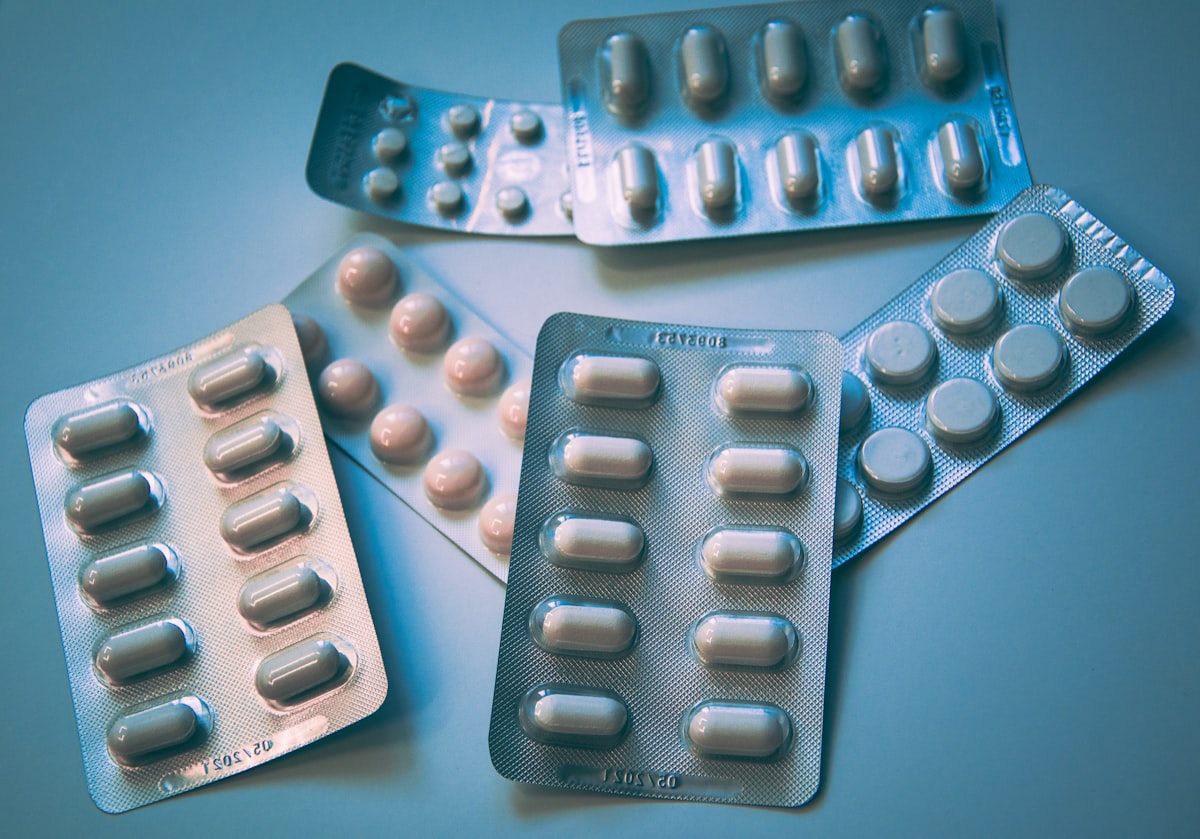
Quick Summary: GLP-1 receptor agonists like Ozempic, Wegovy, and Mounjaro have moved far beyond diabetes treatment. In 2026, they are at the center of America’s obesity epidemic response — but access gaps, side effects, and long-term unknowns are raising serious questions about who really benefits and at what cost.
A single weekly injection is changing how millions of Americans think about their bodies, their health, and even their relationship with food. GLP-1 drugs — once reserved for type 2 diabetics — have become the most talked-about medical intervention of the decade.
But behind the headlines of dramatic weight loss and metabolic miracles lies a far more complicated story: skyrocketing costs, supply shortages, insurance battles, and mounting questions about what happens when you stop taking them.
What Are GLP-1 Drugs and Why Are They Everywhere in 2026?
GLP-1 (glucagon-like peptide-1) receptor agonists are a class of medications that mimic a natural hormone in your gut. They slow digestion, reduce appetite, and regulate blood sugar. Originally developed to treat type 2 diabetes, drugs like semaglutide (Ozempic, Wegovy) and tirzepatide (Mounjaro, Zepbound) have shown unprecedented effectiveness for weight loss in clinical trials.
According to a 2025 report from the CDC, more than 42% of American adults are classified as obese. The potential market for GLP-1 therapies is staggering — analysts at Morgan Stanley estimated in 2024 that GLP-1 drug sales could reach $77 billion annually by 2030.
The Core Drugs Dominating the Market
- Ozempic (semaglutide): Weekly injection, FDA-approved for type 2 diabetes. Widely prescribed off-label for weight loss.
- Wegovy (semaglutide): Higher dose version, FDA-approved specifically for chronic weight management.
- Mounjaro / Zepbound (tirzepatide): Dual GIP/GLP-1 agonist from Eli Lilly. Clinical trials showed up to 22.5% body weight reduction — outperforming semaglutide in head-to-head comparisons.
- Rybelsus: Oral semaglutide tablet, removing the injection barrier for many patients.
The Mental Health Connection Nobody Is Talking About

One of the most surprising 2026 findings is the relationship between GLP-1 drugs and mental health. Multiple studies published in Nature Medicine and JAMA Psychiatry have found that semaglutide users report reduced symptoms of anxiety and depression — possibly because the drug acts on receptors in the brain’s reward system.
Researchers at the University of Copenhagen found that patients on semaglutide showed a 34% reduction in self-reported depression scores after 16 weeks, independent of weight loss. This has opened entirely new research pathways for GLP-1 drugs as potential treatments for addiction and compulsive behavior disorders.
However, the FDA has also flagged reports of suicidal ideation in a small subset of users, prompting ongoing post-market surveillance. The signal remains inconclusive but underscores that these are powerful central nervous system-affecting drugs.
The Access Crisis: Who Can Actually Afford These Drugs?
Here is where the GLP-1 revolution hits a hard wall. The list price of Wegovy is approximately $1,349 per month without insurance coverage. Mounjaro comes in at around $1,023 per month.
Medicare did not cover obesity drugs until the Treat and Reduce Obesity Act gained renewed momentum in 2025, and even now, coverage varies dramatically by state Medicaid programs. A 2025 survey by the Kaiser Family Foundation found that only 38% of insured Americans had any GLP-1 coverage for weight management through their employer health plans.
Compounding Pharmacies and the Gray Market
During the 2023–2024 shortage period, the FDA allowed compounding pharmacies to produce semaglutide. This created a massive gray market. By early 2025, an estimated 1 in 5 GLP-1 prescriptions was being filled by compounders, often at prices as low as $150–$250 per month.
In late 2025, Novo Nordisk and Eli Lilly won legal battles forcing compounders to stop production. The fallout: hundreds of thousands of patients suddenly priced out of treatment they had come to depend on.
Bird Flu 2026: An Unexpected Intersection
In a surprising health policy development, the ongoing H5N1 avian influenza outbreak has collided with GLP-1 drug policy in 2026. Obese individuals have historically shown worse outcomes with respiratory viruses — a pattern seen acutely during COVID-19. With bird flu spreading in sporadic human clusters across the U.S., public health officials are now publicly endorsing accelerated access to GLP-1 therapies as a pandemic preparedness strategy.
The WHO‘s March 2026 interim guidance explicitly cited obesity as a top-tier comorbidity risk factor for severe H5N1 disease in humans, adding political urgency to insurance coverage debates.
Side Effects, Long-Term Use, and the Rebound Problem
Clinical enthusiasm must be tempered by honest assessment of the risks. The most commonly reported side effects are gastrointestinal: nausea, vomiting, diarrhea, and constipation affect 30–50% of new users, usually improving after 8–12 weeks.
More serious concerns include:
- Pancreatitis: Rare but documented in clinical trial populations.
- Gastroparesis: Severe stomach paralysis has been reported, with lawsuits filed against Novo Nordisk by patients claiming inadequate warning.
- Muscle loss: Studies show that approximately 25–40% of weight lost on GLP-1 drugs is lean muscle mass, not just fat — raising long-term metabolic concerns.
- Rebound weight gain: A landmark 2024 study in Diabetes, Obesity and Metabolism found that patients who stopped Wegovy regained an average of two-thirds of their lost weight within one year.
The Dependency Question
This rebound data has sparked a deep ethical debate. If GLP-1 drugs require lifelong use to maintain results, are we treating a disease or creating a permanent pharmaceutical dependency? Insurance companies, employers, and policymakers are beginning to grapple with what chronic disease management at this scale actually means for healthcare costs.
What’s Coming Next: The 2026 GLP-1 Pipeline
The pharmaceutical pipeline is packed. Novo Nordisk’s CagriSema (cagrilintide + semaglutide combination) showed 25.1% weight loss in Phase 3 trials — pushing past tirzepatide’s previous record. Eli Lilly’s retatrutide (triple agonist) demonstrated even more dramatic results in early trials.
Oral formulations are expanding. Beyond Rybelsus, Pfizer’s danuglipron and Novo Nordisk’s oral semaglutide 50mg tablet (OW oral) are both in late-stage development, which could democratize access by eliminating injections entirely.
Meanwhile, generic semaglutide — potentially available as early as 2032 when key patents expire — remains the ultimate access solution that patient advocates are pushing Congress to accelerate through compulsory licensing discussions.
The Bottom Line: Revolutionary, But Not for Everyone Yet
GLP-1 drugs represent a genuine paradigm shift in how medicine treats obesity, metabolic disease, and potentially addiction and mental health. The science is real and the results are remarkable. But in 2026, the revolution is being unevenly distributed — skewed toward those with premium insurance, higher incomes, or access to telehealth platforms offering discounted compounded versions while they still can.
If you are considering GLP-1 therapy, consult with a board-certified endocrinologist or obesity medicine specialist. Ask specifically about your insurance coverage, muscle-preservation protocols (resistance training + adequate protein intake), and what a long-term maintenance plan looks like before you start.
The drug works. The system around it is still broken.