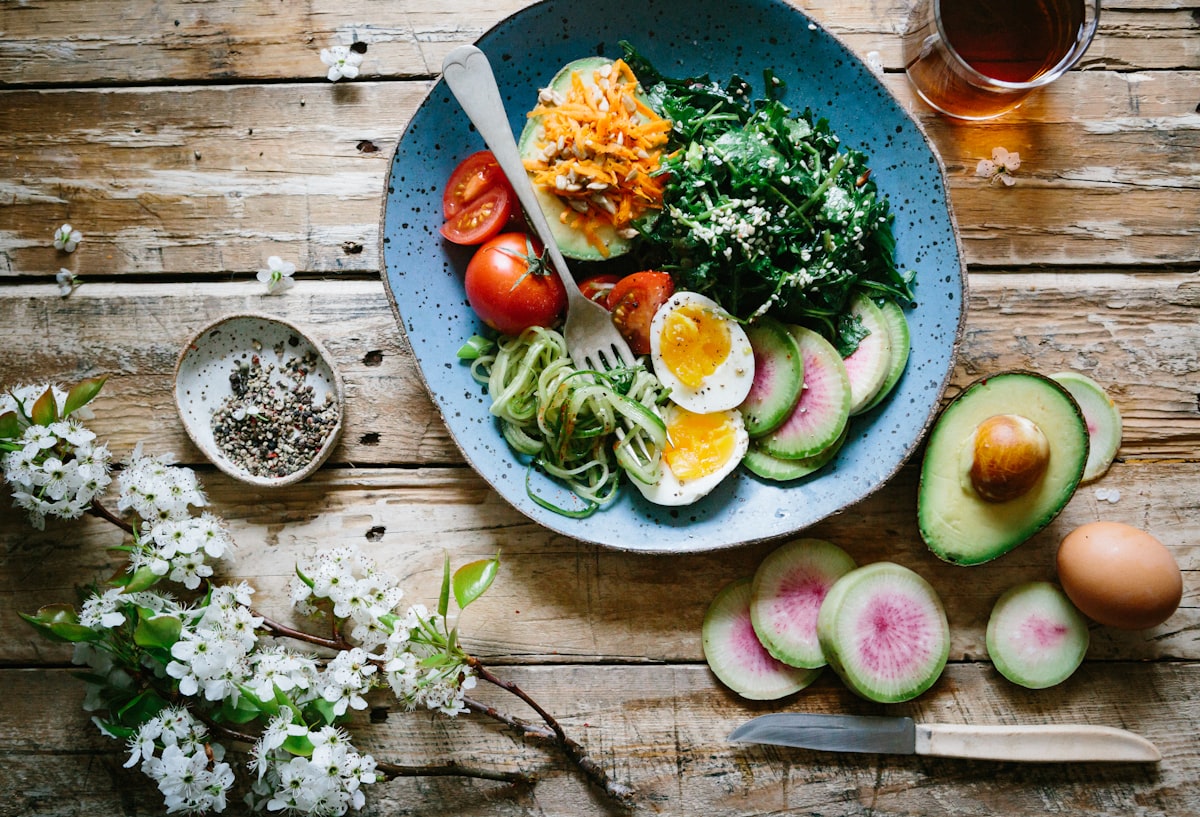
Quick Summary: The food and drink landscape in 2026 is being reshaped by a powerful convergence of health science, sustainability urgency, and culinary creativity. From mushroom-based everything to AI-personalized nutrition, functional beverages that claim to replace your therapist, and plant-based foods that have finally cracked the taste barrier — here’s the definitive guide to what’s actually on your plate and in your glass right now.
The Food Revolution of 2026 Is Here — And It’s Delicious

Something transformative is happening in the world of food and drink in 2026, and it’s not just about what we’re eating — it’s about why we’re eating it, where it comes from, and what we expect it to do for our bodies and minds. The convergence of cutting-edge food science, sustainability imperative, and genuine culinary innovation has produced a moment in food culture unlike any we’ve seen before. The trends shaping what lands on plates across America in 2026 reveal a population that is simultaneously more health-conscious, more environmentally aware, and more culinarily adventurous than any previous generation.
The Mushroom Moment: Fungi Takes Over Everything

From Coffee to Steak: Mushrooms Are Everywhere
If you had to identify the single ingredient that most defines the food culture of 2026, it would almost certainly be mushrooms. The fungi kingdom has staged one of the most dramatic culinary comebacks in recent food history, moving from a polarizing ingredient that many people picked off their pizza to the centerpiece of a booming industry spanning food, beverages, supplements, and even mental wellness.
Lion’s mane mushroom has become ubiquitous in coffee and beverage products, marketed for its purported cognitive enhancement and neuroprotective properties. The global functional mushroom market, valued at approximately $8 billion in 2024, is projected to reach $18 billion by 2028, driven by consumer appetite for natural alternatives to pharmaceutical cognitive enhancement. Brands like Four Sigmatic, which pioneered mushroom coffee a decade ago, have been joined by hundreds of competitors — and traditional coffee giants including Starbucks have introduced mushroom-infused beverage lines of their own.
But the mushroom revolution extends far beyond beverages. Mycelium — the root structure of mushrooms — has emerged as one of the most versatile and sustainable protein sources available. Companies like Meati and MyForest Foods have scaled up production of mycelium-based meat alternatives that have achieved something previous plant-based products struggled with: genuinely convincing texture and flavor that satisfies meat-eaters without feeling like a compromise.
The Science Behind the Hype
The mushroom trend is not purely marketing-driven. A significant body of peer-reviewed research published over the past several years has substantiated several of the health claims associated with medicinal mushrooms. Studies from Johns Hopkins, NYU, and other leading research institutions have documented meaningful benefits from compounds found in lion’s mane (nerve growth factor stimulation), reishi (immune modulation), and turkey tail (gut microbiome support).
The FDA has been cautious about approving specific health claims for mushroom products, but the scientific foundation is considerably stronger than many supplement categories. Consumer awareness of this research is driving purchasing decisions in ways that reflect genuine engagement with the science rather than pure lifestyle trend-following.
Plant-Based 2.0: The Taste Problem Is Solved
Why the Plant-Based Category Is Rebounding in 2026
After several years of disappointing growth and high-profile struggles for pioneer companies like Beyond Meat and Impossible Foods, the plant-based food category is experiencing a meaningful renaissance in 2026 — but it looks very different from the first wave. The key difference: taste, texture, and ingredient simplicity have all improved dramatically, addressing the core consumer objections that limited mainstream adoption of first-generation plant-based products.
The new generation of plant-based products is cleaner, simpler, and more culinarily sophisticated than its predecessors. Rather than attempting to precisely replicate the experience of conventional meat through complex ingredient lists and heavy processing, many 2026 plant-based innovators are leaning into the inherent qualities of plant proteins — creating genuinely delicious products on their own terms rather than as imitations.
Precision fermentation is playing a significant role in this quality leap. Companies are using microbes to produce specific proteins, fats, and flavors with extraordinary precision, enabling the creation of plant-based dairy products — particularly cheese and cream — that have finally achieved taste and functional parity with conventional dairy in many applications.
The Sustainable Protein Landscape in 2026
Cultivated meat — real animal protein grown directly from cells without slaughter — has achieved its first meaningful commercial scale in 2026, though it remains a premium product available primarily through select restaurant partners rather than retail. Several companies that received regulatory approval in the United States in 2023-2024 have continued to scale their production processes, and the cost curves are following the trajectory that the industry’s most optimistic projections anticipated.
Insects are having another moment as a sustainable protein source, though primarily in ingredient form — cricket flour, mealworm protein powder — rather than as whole insects on the plate. Consumer acceptance in the United States and Europe remains limited for whole-insect consumption, but insect protein ingredients are increasingly finding their way into nutrition bars, pet foods, and animal feed, where the sustainability case is compelling regardless of consumer squeamishness.
Functional Foods and Beverages: Eating for Your Brain
The Gut-Brain Connection Goes Mainstream
The science of the gut microbiome has moved decisively from academic research into mainstream consumer consciousness in 2026. Decades of research have established a robust connection between gut microbiome health and mental health outcomes — the so-called gut-brain axis — and food and beverage producers have responded with an explosion of products designed to feed beneficial gut bacteria.
Fermented foods — kombucha, kefir, kimchi, miso, tempeh, and their many derivatives — have become staple items in mainstream grocery stores rather than specialty health food destinations. The market for fermented functional beverages alone exceeded $5 billion in the United States in 2025, with no signs of slowing. New fermentation-forward brands continue to launch at a rapid pace, and major food conglomerates have acquired multiple successful fermented food startups to establish positions in the category.
Nootropic and Adaptogen Beverages
The functional beverage category has exploded beyond kombucha and probiotic drinks to encompass a dizzying array of products making specific cognitive and mood claims. Adaptogens — herbs and compounds traditionally used in Ayurvedic and Traditional Chinese Medicine that are claimed to help the body manage stress — have become central ingredients in a new generation of beverages, including “stress relief” waters, “focus” teas, and “calm” tonics that have found massive audiences among health-conscious millennials and Gen Z consumers.
Ashwagandha, rhodiola, holy basil, and schisandra are the most commonly featured adaptogens, with lion’s mane mushroom (as previously noted) crossing over between the adaptogen and functional mushroom categories. The market for adaptogen-infused beverages is projected to reach $4.5 billion globally in 2026, up from $2.1 billion in 2023.
AI-Personalized Nutrition: Your Food, Tailored to Your DNA
Perhaps the most genuinely revolutionary development in the 2026 food landscape is the emergence of AI-powered personalized nutrition platforms that are moving from luxury novelty to mainstream accessibility. These platforms combine genetic data, gut microbiome analysis, continuous glucose monitoring, and AI algorithms to provide individualized dietary recommendations that go far beyond generic healthy eating guidelines.
Companies like Zoe (which expanded from the UK to the US market in 2024), Viome, and several newer entrants have accumulated millions of users and generated meaningful datasets that enable increasingly sophisticated personalization. The core insight — that different people’s bodies respond very differently to the same foods based on their individual biology — has been validated by peer-reviewed research and is compelling enough to drive significant consumer adoption even at price points well above generic nutrition services.
The integration of continuous glucose monitors (CGMs) — wearable devices that provide real-time blood sugar data — into everyday wellness practices among non-diabetic consumers has been a particular driver of this trend. Understanding exactly how your blood sugar responds to different foods in real time is providing consumers with a level of personalized nutritional feedback that was impossible just a few years ago.
The Drinks Revolution: Beyond Alcohol
The alcohol industry is facing a structural shift that many industry veterans are only beginning to fully reckon with. Younger generations — particularly millennials and Gen Z — are drinking significantly less alcohol than their predecessors at the same life stage. The “sober curious” movement, which began as a niche cultural phenomenon, has evolved into a mainstream wellness orientation that is reshaping the entire beverages market.
Non-alcoholic spirits, beers, and wines have reached quality levels that make them genuinely competitive with their alcoholic counterparts for many consumers. The non-alcoholic beverage sector grew by 31% in the United States in 2025, according to NielsenIQ data, and projections for 2026 suggest continued double-digit growth. Major spirits brands — including industry leaders like Diageo, Pernod Ricard, and Bacardi — have invested heavily in non-alcoholic product lines, lending the category both credibility and distribution muscle.
Sources
- Grand View Research — Global Functional Mushroom Market Report 2026
- NielsenIQ — Non-Alcoholic Beverage Sector Growth 2025
- Good Food Institute — Alternative Protein State of the Industry 2025
- Johns Hopkins Medicine — Psilocybin and Mushroom Research Updates 2025-2026
- Zoe Health — Personalized Nutrition Platform User Data 2026
- Mintel — Food and Drink Trend Report 2026
- SPINS — Natural Products Retail Sales Data Q1 2026