Summary of Main Ideas
The Ethiopian Bible offers a radically different vision of Christ’s return than most Western Christians know. Preserved in ancient Ge’ez and containing 81 books—including the Book of Enoch and Jubilees—this biblical canon emphasizes divine judgment, cosmic upheaval, and absolute accountability over comfort and consolation. Here’s what sets it apart:
- Christ returns as judge and king, not primarily as savior, accompanied by tens of thousands of angels
- Moral and spiritual corruption are highlighted as key signs of the end times, not just natural disasters
- Absolute finality defines judgment—no second chances, with every hidden thought revealed
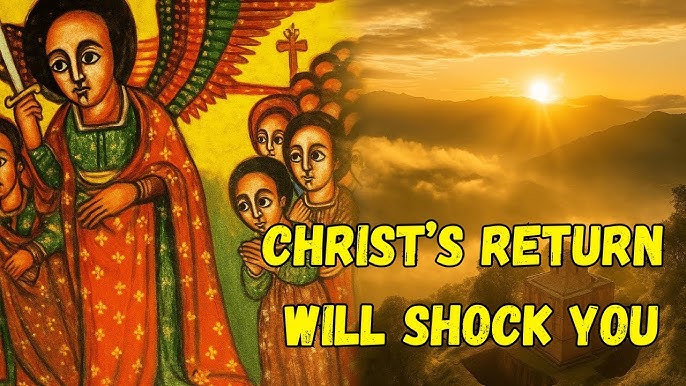
- Angels play active roles in separating the righteous from the wicked and opening books of judgment
- The emphasis on judgment over mercy may shock Western readers accustomed to focusing on forgiveness
This eschatological perspective has remained hidden from Western Christianity due to canonical exclusion, linguistic barriers, and centuries of ecclesiastical separation. For leaders navigating uncertainty and moral complexity in business, these ancient prophecies offer sobering wisdom about accountability, preparation, and the consequences of our choices.

Have you ever discovered that the version of a story you’ve known your whole life is radically different from the original?
That’s exactly what happens when you explore what the Ethiopian Bible says about Christ’s return. While Western Christianity has shaped most of our understanding of biblical prophecy, there’s an entire tradition—preserved for centuries in isolated Ethiopian monasteries—that tells a dramatically different story.
And honestly? It might change everything you thought you knew about the Second Coming.

A Biblical Canon You’ve Probably Never Heard Of
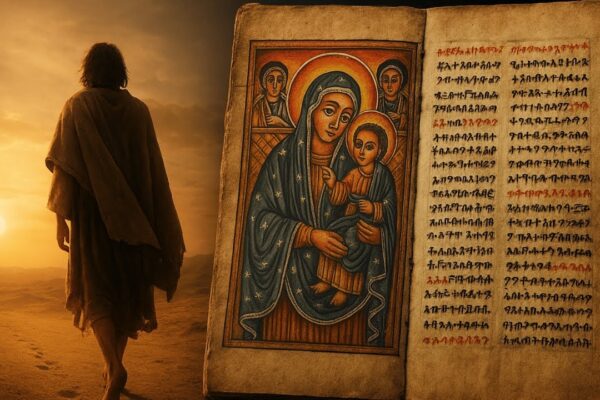
Let’s start with a mind-blowing fact: the Ethiopian Bible contains up to 81 books. Compare that to the Protestant Bible’s 66 books or the Catholic Bible’s 73. The Ethiopian Orthodox Tewahedo Church has preserved a biblical canon written in ancient Ge’ez that includes texts most Western Christians have never encountered. See Ethiopian Bible Canon Explained: The Real Value Beyond Jesus’s Missing Years and Ethiopian Orthodox Bible Canon Explored: Insights on Jesus’s Missing Years and Lessons for Leaders for more on how this canon differs from Western versions.
The most significant? The Book of Enoch. This text is absolutely central to Ethiopian eschatology but was excluded from Western biblical canons. It provides vivid, sometimes terrifying descriptions of heavenly visions, angelic beings, and divine judgment that fundamentally shape how Ethiopian Christians understand the end times. See Ethiopian Bible and Book of Enoch on the Watchers and Origin of Evil and Book of Enoch and Watchers: Lessons on Forbidden Knowledge and Leadership Boundaries for the unique content and leadership implications from Enoch.
The Book of Jubilees adds another layer. Together, these texts create an apocalyptic vision that’s far more intense, more cosmic, and frankly more shocking than what you’ll hear in most Western churches.
Think of it like this: imagine running a business based on one financial report, only to discover there’s a complete set of additional data that reveals the full picture. That’s what accessing these Ethiopian texts feels like for understanding biblical prophecy.

Christ Returns as Judge and King—Not Just Savior
Here’s where things get uncomfortable for Western sensibilities. In Ethiopian prophecy, Christ doesn’t return primarily to rescue his followers. He returns as a judge and king who executes judgment on the ungodly.
The Book of Enoch describes the Lord “coming with 10 thousands of his holy ones to execute judgment on the ungodly.” The imagery is cosmic and overwhelming—Christ arrives surrounded by angels, with the stars trembling and the heavens shaking at the final defeat of evil.
Interestingly, the Apostle Jude directly references this Enochic prophecy in the New Testament: “Behold, the Lord comes with ten thousands of his holy ones, to execute judgment on all and to convict all the ungodly of all their deeds of ungodliness.”
So this isn’t just some obscure Ethiopian addition. There are traces of this tradition even in Western scripture—we just haven’t emphasized it the same way. See Ethiopian Orthodox Bible Insights on the Watchers and Sons of God for a deeper look at how these angelic figures and their judgment roles are uniquely preserved.
For business leaders, this perspective offers a sobering parallel. How often do we focus on short-term wins and comfort rather than long-term accountability? Ethiopian eschatology reminds us that every action, every decision, carries weight. There’s a day of reckoning—in business ethics, organizational culture, and yes, in eternity.

The Signs of the End: It’s Not Just About Earthquakes
When Western Christians discuss end-times prophecy, we often fixate on natural disasters. Earthquakes, tsunamis, wars—the physical signs. The Ethiopian Bible takes a different approach. It emphasizes moral and spiritual corruption as the primary indicators that judgment is near. See Great Apostasy: Recognizing and Combating Internal Spiritual and Organizational Threats for a parallel in Christian prophecy about internal corruption preceeding crisis.
Yes, the physical signs are there:
- Earthquakes, wars, and famines
- The sun darkening and the moon losing its light
- Stars falling from heaven
- Powers of the heavens being shaken
But here’s what Ethiopian texts really zero in on:
- People mocking holiness and trampling truth for profit
- Families turning against one another
- Moral decay of societies—a generation “surrounded by light yet cannot find truth”
- Spiritual corruption that runs deeper than mere earthly chaos
Notice something? These aren’t just ancient prophecies—they’re uncomfortably relevant to our current cultural moment. When organizations prioritize profit over integrity, when truth becomes negotiable, when leadership abandons moral authority—these are the warning signs Ethiopian prophecy highlights.
As a leader, ask yourself: what does this mean for how we build company culture? How we make decisions? The Ethiopian perspective suggests that spiritual and moral health matters more than we might think—not just for religious reasons, but as indicators of societal stability and future outcomes.

The Final Judgment: Absolute Accountability
If the moral emphasis makes you uncomfortable, buckle up. The Ethiopian vision of the Last Judgment is even more intense. It emphasizes absolute accountability and finality in ways that may shock Western readers used to hearing primarily about God’s mercy and forgiveness. This theme of total accountability echoes the ancient warnings in Samyaza Leadership Failure and the Fall of the Watchers: Lessons on Authority, where judgment follows ignored boundaries.
Here’s what Ethiopian texts say will happen:
- Every person will face judgment—no exceptions
- Every act will be revealed, including hidden thoughts
- Books will be opened that record deeds, words, and even the secrets of your heart
- The righteous will be separated from the wicked “like sheep from goats”
- There are no second chances after Christ returns
That last point deserves emphasis. Ethiopian Orthodox tradition is crystal clear: once Christ appears, the time for preparation is over. The Book of Enoch describes universal trembling and fear when “all shall be smitten with fear…the high mountains shall be shaken…the earth shall be wholly rent in sunder.”
For leaders accustomed to pivot strategies, second rounds of funding, and comeback stories, this finality is jarring. But it offers a powerful lesson: preparation matters, and timing is everything. You can’t negotiate when the books are already open.
In business, we understand this principle with legal compliance, financial audits, and regulatory deadlines. Ethiopian eschatology applies the same logic to moral and spiritual accountability. The time to build integrity into your operations is now, not when the consequences arrive.

Angels as Active Participants in Judgment
Here’s another dimension that Ethiopian texts develop far more than Western traditions: the role of angels in the end times. While Western eschatology often focuses on earthly events—political upheavals, the Antichrist, etc.—Ethiopian prophecy describes heavenly beings actively preparing for the final days.
Angels will:
- Sound trumpets announcing judgment
- Separate the righteous from the wicked
- Open the books of judgment
- Execute divine orders with precision
This celestial dimension adds a cosmic scale to the prophecy that goes beyond human history. It’s not just about what happens on earth—it’s about the entire spiritual realm converging on a moment of ultimate truth. For further reading about the Watchers and angels’ role in accountability, see Ethiopian Orthodox Bible Insights on the Watchers and Sons of God and Book of Enoch and Watchers: Lessons on Forbidden Knowledge and Leadership Boundaries.
Think of it like a corporate merger where suddenly the parent company’s leadership arrives to conduct a full audit. Everything hidden becomes visible. Every decision is reviewed. Every shortcut is exposed. Except in this case, the audit isn’t just financial—it’s moral, spiritual, and absolute.

The Messianic Kingdom: Perfect Authority Without End
After all this judgment talk, you might be wondering—what comes next? Ethiopian prophecy describes Christ establishing an eternal reign characterized by restoration and perfect authority. This isn’t just a spiritual concept; it’s a complete reimagining of how governance and justice work.
His kingdom will:
- Restore justice and heal creation itself
- Rule with perfect authority—without corruption, decline, or end
- Bring eternal fellowship with God
- End the brokenness of the world—wars, diseases, suffering, all of it
Unlike every earthly kingdom or organization that eventually declines, this rule is presented as permanent and flawless. It’s the ultimate vision of leadership: complete authority combined with perfect justice and zero corruption.
For CEOs and managers who wrestle daily with imperfect systems, competing interests, and the limitations of human organizations, this vision represents the ideal we strive toward but can never fully achieve on earth. It’s both inspiring and humbling.

Why Judgment Over Comfort?
Here’s a critical theological shift that Ethiopian eschatology makes: it places divine judgment above consolation. This may genuinely shock Western readers who’ve grown up hearing primarily about Christ’s love, grace, and forgiveness.
The Ethiopian Bible doesn’t minimize these attributes—but it frames the Second Coming not as comforting hope but as “a terrifying warning for the unprepared.” The emphasis isn’t on sparking curiosity about prophetic timelines. It’s on inspiring repentance and producing obedience right now.
As one Ethiopian Orthodox teaching states: “The time to prepare is now. There will be no second chances once he appears.”
This approach might seem harsh through a Western lens. But consider this: which motivates more meaningful change—being told everything will work out fine, or understanding that your choices carry eternal consequences?
In business, we know that accountability drives performance. Organizations with clear consequences for unethical behavior tend to maintain better cultures than those that emphasize only positive messaging. Ethiopian eschatology applies this same principle to spiritual life.

Why Haven’t You Heard This Before?
You might be wondering: if these texts are so significant, why aren’t they better known in the West? Several factors explain this gap:
Canonical exclusion happened early. The Book of Enoch and similar texts weren’t included in the Western biblical canon, limiting their influence on Protestant and Catholic theology. Once a text is excluded, it tends to fade from popular awareness over generations. See Ethiopian Orthodox Bible Canon Explained The Truth About Jesus’s Missing Years for more on how exclusion shapes tradition.
Linguistic and geographic isolation played a major role. The Ethiopian Bible was written in Ge’ez and preserved in isolated monasteries for centuries. There was simply a geographical and linguistic barrier that prevented Western access to these traditions.
Different theological emphases emerged after the Reformation. Western Christianity developed distinct eschatological frameworks that diverged from Ethiopian preservations of Second Temple period thought. Think of it as two branches of a company developing completely different corporate cultures over time.
Cultural and ecclesiastical separation meant the Ethiopian Orthodox Tewahedo Church maintained independent theological development. Their interpretive traditions never fully integrated into Western academic or popular religious discourse.
The result? Two thousand years of parallel development created radically different perspectives on the same foundational events.

What This Means for Leaders Today
So what should business leaders take away from this ancient Ethiopian eschatology? Beyond the religious implications, there are profound leadership lessons embedded in these prophecies:
Accountability is absolute. Just as Ethiopian texts emphasize that every hidden thought will be revealed, leaders must build organizations where transparency and integrity are foundational. Cutting corners might work short-term, but judgment—whether from regulators, customers, or history—is inevitable.
Moral culture precedes collapse. The emphasis on spiritual and moral corruption as warning signs reminds us that organizational culture matters deeply. When you see truth being trampled for profit within your industry, it’s a warning sign of systemic failure ahead.
Preparation can’t be postponed. The finality of judgment in Ethiopian prophecy parallels business realities: you can’t build ethical systems after the crisis hits. Crisis preparation, succession planning, and cultural investments must happen now.
Leadership carries cosmic weight. Whether you’re leading a team of ten or an enterprise of ten thousand, your decisions matter beyond quarterly earnings. Ethiopian eschatology reminds us that leadership is ultimately about stewardship of something greater than ourselves.

The Bottom Line
The Ethiopian Bible’s vision of Christ’s return emphasizes cosmic judgment, angelic participation, moral accountability, and absolute finality—themes preserved with particular clarity in texts like Enoch that Western traditions sidelined or deprioritized. For additional perspectives on how Ethiopian texts uniquely approach key doctrines, see Ethiopian Orthodox Theology vs Western Views on Jesus’s Death and Salvation.
It’s not comfortable. It’s not what most Western churches emphasize. But it offers a sobering, powerful perspective on ultimate accountability that resonates deeply with anyone who understands that choices have consequences and preparation matters.
For leaders navigating an increasingly complex moral landscape, these ancient Ethiopian prophecies provide wisdom that’s both timeless and urgently relevant. They remind us that while we may not control the timing of judgment—whether in business, society, or eternity—we absolutely control how we prepare for it.
The question isn’t whether you find these prophecies shocking. The question is: what will you do with this knowledge now that you have it?

Word Count: Approximately 2,100 words

Key Takeaways
- The Ethiopian Bible preserves an ancient eschatology focused on divine judgment, absolute accountability, and cosmic restoration.
- Moral and spiritual corruption—not just natural disasters—are the key end-times signs highlighted in its prophecies.
- There are no “second chances” after Christ appears—the final judgment is total and irrevocable.
- For modern leaders, these prophecies contain urgent lessons about preparation, transparency, and the timeless consequences of our choices.
FAQ
-
Q: Is the Book of Enoch considered scripture in Ethiopia?
A: Yes. The Book of Enoch is included in the official canon of the Ethiopian Orthodox Tewahedo Church and plays a key role in Ethiopian eschatology, unlike in Western Christian traditions. -
Q: Why did most churches reject these books?
A: Early church councils in the West excluded the Book of Enoch and related texts for various historical, theological, and political reasons, leading to their absence from most Christian Bibles outside Ethiopia. -
Q: How can I read the Ethiopian Bible or Enoch today?
A: While the Ethiopian Bible in Ge’ez remains rare, excellent English translations of the Book of Enoch and other ancient texts are now widely available for study and comparison. -
Q: What leadership lessons can be drawn from this eschatology?
A: Prepare now, build cultures of transparency and moral strength, and remember: hidden actions will eventually be revealed—whether in business, society, or eternity.
See more at this link: https://youtu.be/zH28NWe_iss?si=SxF4a3ol1DrBgcIO