Summary of Main Ideas
- – The Ethiopian Orthodox Bible contains 81-88 books, significantly more than Western Protestant Bibles (66 books), preserving ancient texts lost elsewhere
- – Ethiopian canons include complete versions of the Book of Enoch, Jubilees, and other extracanonical works surviving only in Ge’ez here
- – The shocking truth: Ethiopian biblical texts provide NO unique information about Jesus’s missing years (ages 12-30)
- – Social media claims of “88 lost books revealing Jesus’s secrets” misrepresent known apocryphal texts as hidden revelations
- – The real value lies in Ethiopia’s preservation of ancient religious literature, not fabricated narratives
- – Business leaders can learn from how misinformation spreads and the importance of verifying sources before accepting viral claims
– – –
You’ve probably seen the headlines on social media. “Ethiopia’s Bible has 88 books that reveal Jesus’s secret travels!” or “What the Ethiopian Bible says about Jesus’s lost years will change everything!” These claims rack up millions of views, shares, and heated comments.
Here’s the shocking truth: The Ethiopian Bible says absolutely nothing about Jesus’s missing years.
Let me explain why this matters—and why the real story is actually far more interesting than the clickbait.

The Ethiopian Bible: Bigger Doesn’t Mean “Secret”
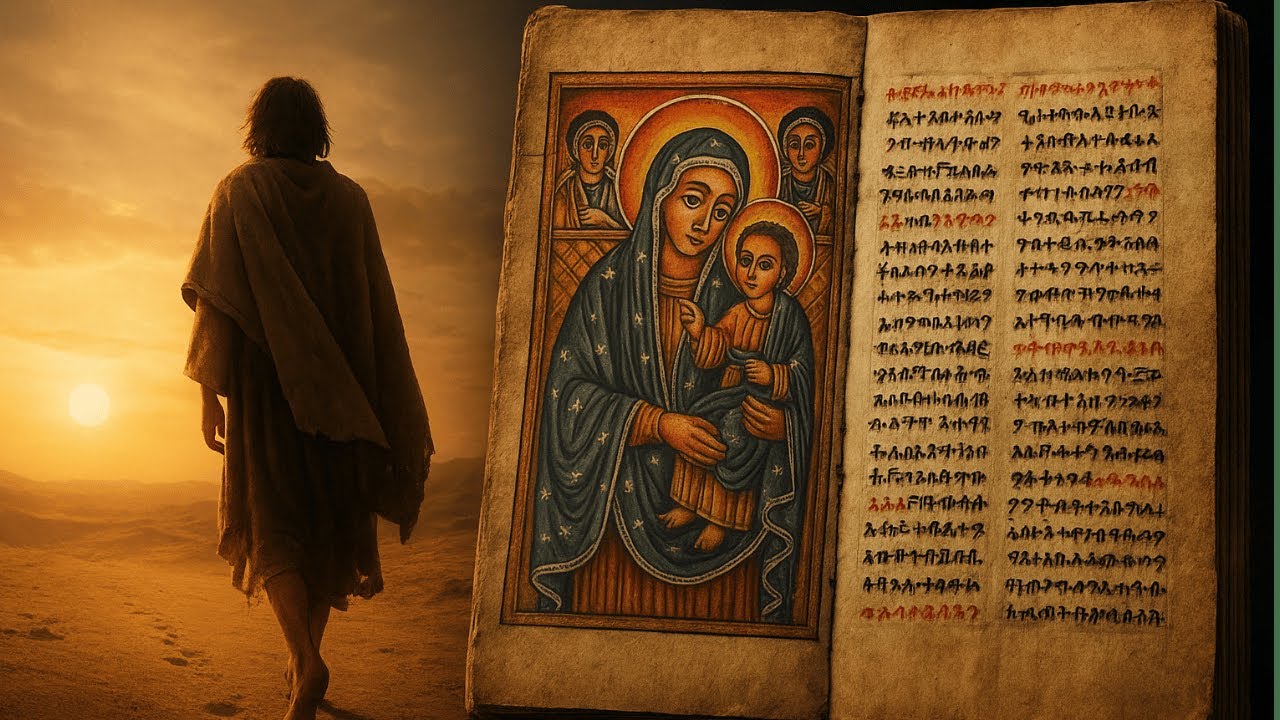
The Ethiopian Orthodox Tewahedo Church maintains one of the broadest biblical canons in Christianity. Their narrower canon contains 81 books (46 Old Testament, 35 New Testament). The broader canon extends to 88 books, including extracanonical works.
Compare this to Western Protestant Bibles with just 66 books. That’s a significant difference. But here’s what most viral posts won’t tell you: these “extra” books aren’t secret documents hidden in Ethiopian vaults.
They’re well-known apocryphal and deuterocanonical texts that scholars have studied for centuries. The difference is preservation, not conspiracy.
What Makes the Ethiopian Canon Unique?
- The full Hebrew protocanon
- Catholic deuterocanonical books
- Unique texts like 1-3 Meqabyan (Ethiopian originals)
- The complete Book of Enoch
- The Book of Jubilees
- Ascension of Isaiah
- Kebra Nagast (venerated but not formally canonical)
Additional extracanonical works include Sinodos, Didascalia, Josippon, Books of Covenant, and Ethiopic Clement. Think of it like having the director’s cut and deleted scenes—not different content, just more context.

The Extraordinary Preservation Story
Here’s where it gets genuinely fascinating. Ethiopia preserved complete versions of texts that exist only as fragments elsewhere. The Book of Enoch? Complete only in Ethiopic. Jubilees? Same story.
Western Christianity rejected these texts during canon formation in the 4th-5th centuries. They were lost, destroyed, or fragmented across the Mediterranean and Middle East. But Ethiopian Christianity, geographically isolated and culturally distinct, maintained them here.
Key Preserved Texts:
-
Book of Enoch: Illuminates pre-Christian Jewish thought on angels, cosmology, and messianic expectations. Fragments exist in Greek and Aramaic, but only Ethiopia has the complete text
here. - Jubilees: Retells Genesis and Exodus with additional legal and calendrical material. Essential for understanding Second Temple Judaism.
- Ascension of Isaiah: Prophetic and apocalyptic text focusing on Isaiah’s martyrdom and visions. Full survival credited solely to Ethiopian transmission.
- Letter of the Apostles: Early Christian dialogue between Jesus and the apostles. Again, complete only in Ethiopic.
- Kebra Nagast (Glory of Kings): Foundational narrative expanding Solomon’s story and the Queen of Sheba. Central to Ethiopian national identity.
These aren’t fabrications. They’re genuine ancient texts, mostly translated from Greek or Hebrew between the 4th and 6th centuries CE.

The Missing Years: What We Actually Know
The canonical Gospels—Matthew, Mark, Luke, and John—provide limited information about Jesus’s early life. Matthew and Luke cover his birth and infancy. Luke mentions a temple visit at age 12. Then silence until his ministry begins around age 30.
That’s 18 years unaccounted for. Scholars call this the “missing years” or “lost years” of Jesus.
What Do Ethiopian Texts Say About This Period?
Absolutely nothing specific.
The Book of Enoch discusses angelic lore, not Jesus’s biography here. It predates Christianity by centuries. Jubilees focuses on reinterpreting Torah law and calendars. The Kebra Nagast expands Solomon’s story, connecting it to Ethiopian royal lineage—no Jesus youth narratives.
Even texts like the Ascension of Isaiah or Letter of the Apostles focus on prophecies, apostolic teachings, and end-times scenarios. None provide accounts of Jesus traveling to India, Egypt (beyond Matthew’s infancy flight), Tibet, or anywhere else during those 18 years.
The Ethiopian New Testament derives from Greek Septuagint sources. It includes the same four Gospels, same silence about ages 12-30. Adding apostolic fathers’ works like Haymanote Abew doesn’t change this fundamental gap.
Why the Gap Exists
Think about modern biographies of business leaders. Do they detail every year from childhood to first success? Rarely. Ancient biographies focused on significant events: birth, public career, death.
The Gospel writers weren’t writing comprehensive biographies. They were making theological arguments. The missing years weren’t relevant to their purpose—demonstrating Jesus as Messiah through his ministry, death, and resurrection.

How Misinformation Spreads: A Business Case Study
Here’s where this becomes particularly relevant for business leaders. The “Ethiopian Bible reveals Jesus’s secrets” phenomenon demonstrates how misinformation gains traction.
The Anatomy of Viral Misinformation:
- 1. Kernel of Truth: Ethiopia’s Bible does have more books than Western versions.
- 2. Exotic Authority: Ancient African manuscripts sound mysterious and authoritative to Western audiences.
- 3. Gap Exploitation: The “missing years” represent a genuine historical gap people want filled.
- 4. Sensational Claims: “What they don’t want you to know” framing triggers engagement.
- 5. Social Proof: Millions of views and shares create perceived credibility.
Sound familiar? This is exactly how business misinformation spreads. A competitor’s unverified claim. A viral “hack” that seems revolutionary. An “insider secret” that’s actually common knowledge.

The Real Value: Preservation, Not Fabrication
The genuine shock isn’t secret Jesus narratives. It’s that one church preserved ancient religious literature that the rest of Christianity lost or discarded.
What This Preservation Achieved:
-
Scholarly Insight: The complete Book of Enoch transformed understanding of Second Temple Judaism, apocalyptic literature, and early Christian thought
here. - Historical Continuity: Ethiopian Christianity maintains practices and texts from antiquity largely unchanged.
- Cultural Identity: The Kebra Nagast links Ethiopian monarchy to Solomon, creating a unique national-religious narrative.
- Theological Diversity: Demonstrates how different Christian communities developed distinct canons based on local needs and preservation capabilities.
This isn’t about hidden truths. It’s about cultural resilience and intellectual stewardship. Ethiopia played librarian for Western civilization, preserving what others lost.

Why Western Audiences Find This “Shocking”
Western Protestant canons standardized around 66 books during the Reformation. Catholics include deuterocanonical texts (73 books total). Orthodox churches have broader canons.
Most Western Christians never encounter texts like Enoch or Jubilees. When social media suddenly presents “88 books,” it seems revolutionary. But it’s not hidden—it’s just unfamiliar.
The Misconception Amplification Cycle:
- Someone discovers Ethiopian canon’s breadth
- Assumes unfamiliarity equals conspiracy
- Creates sensational content claiming suppression
- Viral sharing confirms “importance” to audiences
- Critical context gets lost in engagement metrics
This cycle mirrors business phenomena. Remember when “growth hacking” seemed revolutionary? It was mostly rebranded marketing fundamentals. Or when “blockchain will solve everything” dominated headlines? Most use cases didn’t require distributed ledgers.

Lessons for Modern Organizations
What can business leaders learn from the Ethiopian Bible story?
1. Verify Before Amplifying
Before sharing that viral industry insight, check the source. The Ethiopian canon isn’t secret—scholarly articles and translations exist. Ten minutes of research reveals the truth.
Apply this to business intelligence. That competitor’s “revolutionary” strategy? Probably less revolutionary than LinkedIn makes it seem.
2. Preservation Creates Value
Ethiopia didn’t create new texts. They preserved existing ones diligently
here. In business terms, they maintained intellectual property when others abandoned it.
Your organizational knowledge—processes, relationships, lessons learned—has value if preserved systematically. What are you maintaining that competitors are losing?
3. Context Matters More Than Headlines
The Book of Enoch is valuable for understanding ancient Judaism, not finding Jesus’s travel itinerary. Its value lies in proper context.
Similarly, industry trends and data matter only with proper context. Revenue growth means nothing without understanding market conditions, competitive landscape, and operational costs.
4. Different Doesn’t Mean Better (or Worse)
The Ethiopian canon isn’t superior or inferior to Western canons. It’s different, reflecting distinct historical and cultural development.
In business, different approaches aren’t automatically better. They’re adaptations to specific contexts. The key is understanding which context matches your situation.
5. Misinformation Exploits Knowledge Gaps
The “missing years” represent a genuine historical gap. Misinformation filled that gap with fabricated narratives.
What knowledge gaps exist in your industry? How might misinformation exploit them? Proactive education prevents reactive damage control.

The Scholarly Consensus
Academic research on Ethiopian biblical texts is extensive. Scholars don’t debate whether these texts exist—they debate dating, translation accuracy, and theological implications.
The consensus is clear:
- – Ethiopian canons solidified during medieval period (though texts are much older)
- – These texts are known apocrypha, not suppressed revelations
- – No historical evidence supports unique “missing years” narratives in Ethiopian sources
- – Claims of Jesus traveling to India or Tibet stem from 19th-century esotericism, not ancient texts
- – Ethiopian preservation aided global scholarship significantly
The Book of Enoch, for example, was pseudepigraphic (falsely attributed) from the 2nd century BCE. The Kebra Nagast is a medieval legend. Both have value—literary, historical, theological—but not as factual Jesus biographies.

What About the “Shocking” Claims?
Let’s address specific viral claims directly:
-
Claim: “88 books reveal Jesus’s secret teachings.”
Reality: The additional books mostly expand Old Testament narratives, not New Testament biography. -
Claim: “Ethiopia hid Jesus’s real story from the West.”
Reality: Ethiopian Christianity developed independently, not in opposition to Western Christianity. They preserved, not concealed
here. -
Claim: “Jesus traveled to Egypt/India/Tibet during missing years.”
Reality: No Ethiopian canonical text makes these claims. Such narratives appear in 19th-century esoteric works, not ancient manuscripts. -
Claim: “The West suppressed these books.”
Reality: Western Christianity excluded them from canons, but scholars have studied them for centuries. Translations are readily available.

The Bigger Picture: Canon Formation
Understanding how biblical canons formed helps clarify why different traditions include different books.
Early Christianity was decentralized. Different communities used different texts. Over centuries, consensus emerged around certain books considered authoritative. This process varied by region.
Western Christianity (centered in Rome and later Europe) crystallized around one set. Eastern Orthodoxy around another. Ethiopian Christianity around a third
here. None “suppressed” texts—they selected based on local tradition, theology, and available manuscripts.
Think of it like industry standards. Different regions develop different standards based on local needs, history, and resources. None is objectively “right”—they serve different communities differently.

Practical Takeaway for Leaders
When you encounter sensational claims—in religion, business, or elsewhere—ask these questions:
- What’s the source? Is it scholarly, journalistic, or viral social media?
- What’s being claimed exactly? Specific assertions or vague implications?
- What do experts say? Consensus among specialists matters.
- What’s the evidence? Actual texts, data, or secondhand assertions?
- Who benefits from this narrative? Follow the incentives.
Applied to the Ethiopian Bible claims:
1. Source: Social media posts, not academic publications
2. Claim: Vague “secrets” rather than specific textual references
3. Experts: Scholars confirm no “missing years” content
4. Evidence: Actual Ethiopian texts don’t support the claims
5. Benefit: Content creators gain engagement through sensationalism
This framework works equally well for evaluating business claims, market predictions, or competitive intelligence.

Conclusion: Truth is More Interesting Than Fiction
The Ethiopian Bible’s real story is more compelling than fabricated mysteries. Here’s a church that preserved ancient literature through political upheaval, geographic isolation, and cultural transformation. They maintained texts that illuminate ancient Judaism and early Christianity.
That’s remarkable—no secret Jesus narratives required.
For business leaders, the lesson is clear: reality-based knowledge consistently outperforms sensationalism. Ethiopian preservation succeeded because they valued authentic transmission over attractive innovation. They played the long game.
In an era of viral misinformation, that’s a lesson worth remembering. The next time you see shocking claims about hidden knowledge, take a breath. Research before reacting. Verify before amplifying.
The Ethiopian Bible won’t tell you where Jesus was from age 12 to 30. But it will teach you the value of preservation, the importance of context, and the danger of letting sensationalism override scholarship.
And honestly? That’s far more valuable than any fabricated travel itinerary.

Key Takeaways
- The Ethiopian Orthodox Bible includes up to 88 books, but these are not “suppressed” or secret works, merely preserved apocrypha and deuterocanon from early Christianity.
- None of these additional books provide unique revelations about Jesus’s “missing years” (ages 12-30).
- The preservation of texts like the Book of Enoch and Jubilees is a triumph of scholarship, not evidence of hidden gospels.
- Viral misinformation exploits gaps in public knowledge by framing preservation as secrecy—always check your sources and context.
- For business and leadership: preservation, context, and source verification matter more than eye-catching but false narratives.
FAQ
-
Q: Does the Ethiopian Bible contain secret teachings about Jesus’s youth?
A: No. While the Ethiopian canon is broader, no canonical or apocryphal text used in Ethiopia provides biographical information about Jesus between ages 12-30. -
Q: Are the “extra” books in the Ethiopian Bible hidden from the West?
A: No. Most are known apocrypha, preserved in Ge’ez but long studied by biblical scholars and available in translation. -
Q: Was the Book of Enoch written about Jesus?
A: No. The Book of Enoch predates Jesus by at least 200 years and focuses on angelology, giants, and ancient cosmology—important for context, not biography. -
Q: Why does misinformation about the Ethiopian Bible go viral?
A: Human curiosity about gaps in history, exoticization of unfamiliar traditions, and social media amplification drive viral but often misleading narratives. -
Q: What is the real significance of the Ethiopian canon?
A: Its real value is as a window into ancient Jewish, Christian, and Ethiopian cultural and theological development—not as a source for speculative hidden gospels. -
Q: What can leaders or businesses learn from this story?
A: The importance of research, context, and making decisions based on fact rather than sensational yet unfounded claims.
See more at this link: https://youtu.be/0_mxa9-L0Q0?si=uxysvUsaJl3Wc2nT