Key Takeaways
- The Lost Book of Adam and Eve (also known as the Conflict of Adam and Eve with Satan) expands the post-Eden narrative missing in Genesis, providing deep insight into humanity’s struggles with evil and temptation.
- Preserved in Ethiopian Ge’ez manuscripts and translated into English in 1882, this extracanonical text details Adam and Eve’s life after expulsion, Satan’s relentless attacks, and divine prophecies of redemption.
- The “terrifying secret” is not a single revelation, but the recognition that evil is persistent, adaptive, and works through deception—requiring ongoing vigilance and external support.
- Leadership lessons abound: the compounding consequences of decisions, the need for systemic safeguards against ethical failure, and the importance of mission-centered resilience in the face of adversity.
- For more on the preservation of these traditions and broader theological context, see this resource on the Ethiopian Bible and the Watchers.
Body
The Lost Book of Adam and Eve, also known as the Conflict of Adam and Eve with Satan, is an ancient extracanonical text that reveals humanity’s post-Eden struggles. This apocryphal work, preserved in Ethiopian Ge’ez manuscripts and translated into English in 1882, expands dramatically on the biblical Genesis narrative. The text details Adam and Eve’s life in the Cave of Treasures, Satan’s relentless attacks, divine prophecies about Christ’s coming, and the origins of evil’s grip on humanity.
The “terrifying secret” centers on evil’s persistent nature—Satan’s unrelenting war against humanity through deception, temptation, and manipulation. For modern leaders, this ancient wisdom offers profound lessons about recognizing threats, navigating crises, and understanding the consequences of decisions. Whether you’re a CEO facing competitive pressures or a manager building team resilience, these timeless insights reveal patterns of conflict that remain surprisingly relevant today.
—
Have you ever wondered what happened after Adam and Eve left the Garden of Eden? The Bible’s Book of Genesis tells us they were expelled, but then jumps quickly to the story of Cain and Abel. What filled those mysterious years between paradise lost and humanity’s first murder?
An ancient text called the Lost Book of Adam and Eve provides answers. This isn’t actually “lost”—it’s been preserved for centuries in Ethiopian manuscripts. But for most of the Western world, it remained hidden until the 19th century.
What makes this text fascinating isn’t just its historical value. It’s the uncomfortable truths it reveals about human nature, persistent evil, and the consequences of our choices. These lessons resonate powerfully in today’s business world, where leaders face constant temptation, ethical dilemmas, and the weight of decisions that affect countless lives.
Let’s explore what this ancient manuscript reveals and why it matters to you today.

What Exactly Is the Lost Book of Adam and Eve?
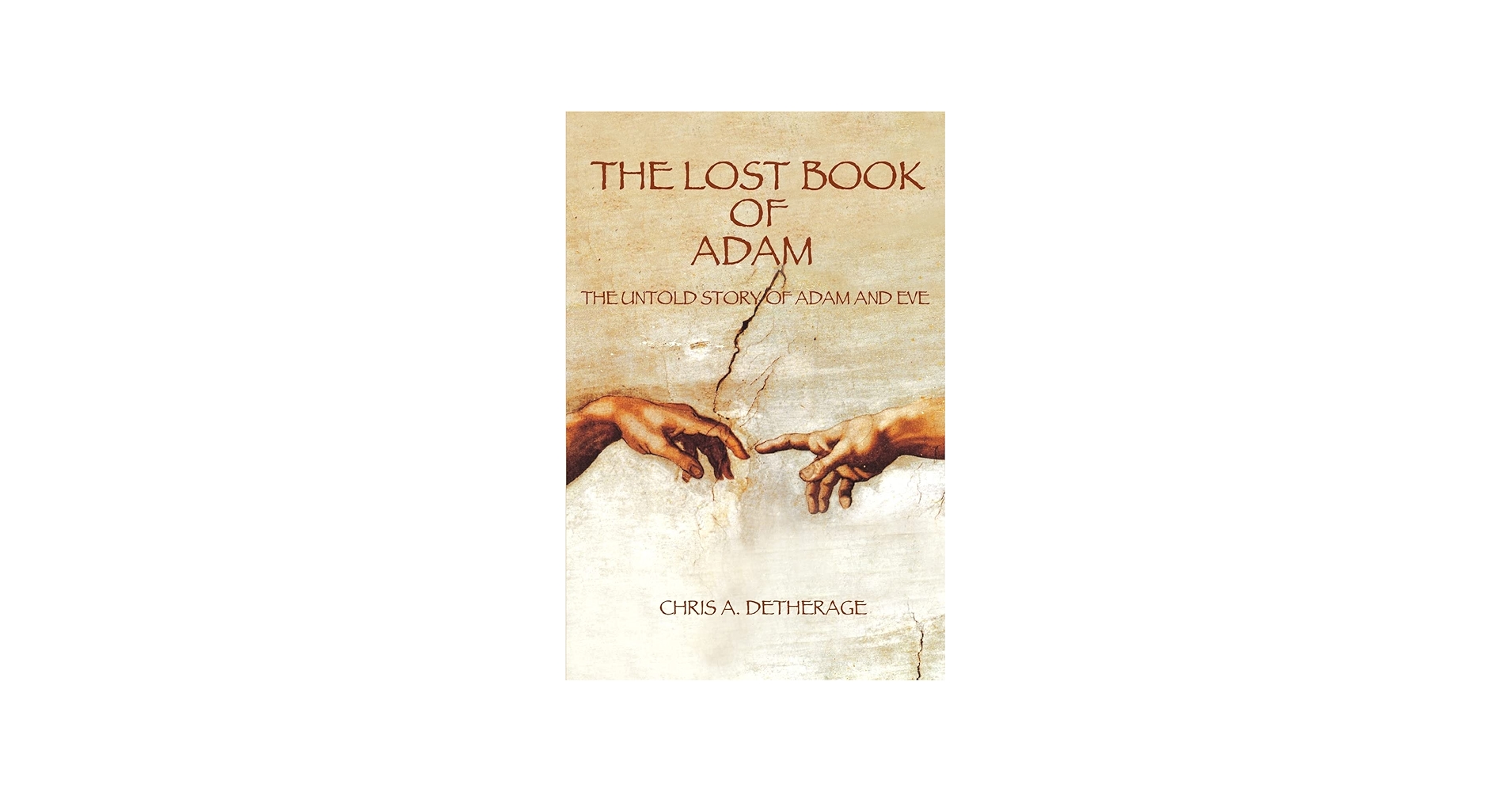
The text known as the Lost Book of Adam and Eve is formally called the Conflict of Adam and Eve with Satan. It’s a non-canonical Christian work that details events immediately following humanity’s expulsion from Eden.
This isn’t part of the standard Bible you’ll find in bookstores. It’s classified as apocrypha or pseudepigrapha—ancient religious texts that weren’t included in the official biblical canon. Think of it as supplementary material that ancient communities valued but that didn’t make the “final cut” for mainstream scriptures.
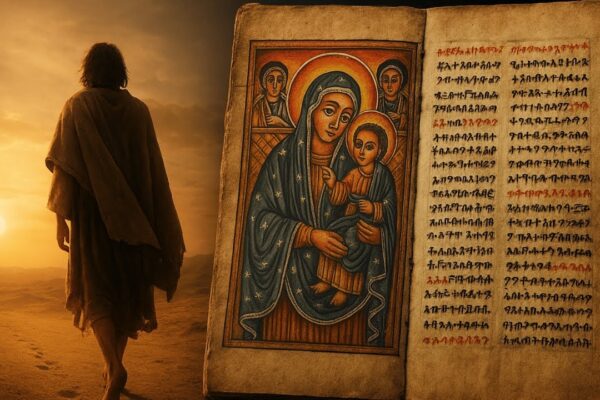
The text survives primarily in Ge’ez manuscripts—Ge’ez being the ancient language of Ethiopia. In 1882, scholar S.C. Malan translated it into English, making it accessible to Western readers for the first time. This translation revealed a treasure trove of details about humanity’s earliest struggles.
For deeper context on how Ethiopian biblical tradition preserves and expands ancient stories—especially regarding fallen angels, the Watchers, and the origins of evil—see this background on the Ethiopian Bible and Book of Enoch.
The work spans two books. Book 1 focuses on Adam’s overwhelming grief and trials outside Eden. Book 2 explains mysterious biblical references, like the “sons of God” mentioned in Genesis 6:2, identifying them as Seth’s righteous descendants who were tempted by Cain’s wicked lineage.

The Ethiopian Bible Connection: A Different Canon
Here’s something that might surprise you: not all Christian Bibles contain the same books. The Ethiopian Orthodox Tewahedo Church maintains the broadest Christian biblical canon, comprising 81 books.
Their Old Testament incorporates several extracanonical texts preserved in ancient Ge’ez manuscripts. These include famous works like 1 Enoch and Jubilees—texts that explore angelic rebellions, detailed genealogies, and cosmic battles between good and evil. For details on the Book of Enoch, the Watchers, and the direct Ethiopian connection, see the Book of Enoch and business leadership insights.
However, even this expansive Ethiopian canon doesn’t include the Conflict of Adam and Eve with Satan. The text originates from 6th-century Ge’ez translations of an Old Arabic version, which itself derived from Syriac sources like the Cave of Treasures.
This manuscript tradition connects to Eastern Church communities that valued detailed narratives about biblical figures. While not canonical, these texts influenced theological thinking and cultural traditions across centuries. They’re like the extended universe of ancient religious literature—valued by communities for their insights even if not considered divinely inspired scripture.

Life After Paradise: The Cave of Treasures Narrative
Picture this: you’ve just lost everything. Your home, your security, your direct connection to the divine. This was Adam and Eve’s reality after their expulsion.
The Lost Book of Adam and Eve describes their new dwelling—the Cave of Treasures. This wasn’t a comfortable transition. They faced relentless trials: crushing thirst, scorching heat, terrifying darkness, and overwhelming sorrow.
Every comfort they once knew had vanished. They prayed in their native tongue, desperately seeking divine intervention. The isolation from God’s light—the radiant presence they’d known in Eden—nearly broke them.
The narrative includes key events that expand Genesis:
- The birth of Cain, Abel, and their twin sisters: Each son was born with a twin sister, adding complexity to the family dynamics
- Cain’s jealousy: He coveted Luluwa, his sister who was intended for Abel, setting the stage for history’s first murder
- Deaths and resurrections: God intervened multiple times, bringing them back from death’s edge
- Generational progression: The story continues through early human generations up to the Flood
Book 1 emphasizes Adam’s profound grief—not just for lost paradise, but for his role in humanity’s fall. Think about the psychological weight leaders carry when their decisions affect thousands. Adam bore responsibility for all humanity’s future suffering. That’s a burden few can imagine.
Book 2 tackles the mysterious Genesis 6:2 reference to “sons of God” taking “daughters of men” as wives. The text identifies these as Seth’s righteous descendants who were seduced by Cain’s wicked lineage. This intermingling produced the Nephilim through Genun, son of Lamech, who invented music and weapons—innovations that facilitated moral corruption. For a leadership-focused exploration of the Nephilim narrative, ethical boundaries, and its business parallels, see this guide to the Nephilim mystery.

Satan’s Relentless Campaign: The Real Antagonist
Here’s where the narrative gets intense. Satan isn’t a one-time tempter who disappears after Eden. He’s a persistent, calculating antagonist who appears repeatedly to destroy Adam and Eve.
The text portrays Satan with shocking detail:
- Physical attacks: Transforming into a serpent, he attempts murder multiple times
- Terrifying manifestations: Blood-red eyes, swollen head, supernatural strength
- Psychological warfare: Exploiting guilt, shame, and weakness with surgical precision
- Deceptive disguises: Appearing as angels of light to manipulate and mislead
God intervenes consistently, protecting His creation. He mutes the serpent, exiles it to India, and reassures Adam: “I am with thee unto the end of the days I have determined on thee.”
This portrayal reveals Satan as multifaceted—not merely evil, but strategically manipulative. He studies weaknesses, identifies vulnerabilities, and strikes when defenses are lowest.
Sound familiar? In business, leaders face similar patterns. Competitors don’t attack once and disappear. Market pressures don’t relent after a single challenge. The most dangerous threats are persistent, adaptive, and disguised as opportunities.
Relatedly, ancient traditions about the Watchers and their fall—found in the Book of Enoch—explore parallel themes of evil’s origin and persistence. For a comparison with Adam and Eve’s ongoing conflict, see this analysis of the Watchers and the Sons of God.
The text’s lesson? Vigilance isn’t paranoia—it’s wisdom. Understanding that challenges recur in different forms prepares you to recognize and counter them effectively.

Divine Prophecies: Hope Amid Darkness
Despite relentless trials, God provides Adam with prophetic visions that offer profound comfort. These prophecies connect their immediate suffering to humanity’s ultimate redemption.
God reveals several key prophecies:
The Coming of Christ: He compares their cave’s darkness to Christ’s future descent into the grave before Resurrection. Their suffering prefigures humanity’s salvation. God promises: “When I shall come down from heaven… and take upon Me the infirmity from which thou sufferest.”
Noah and the Flood: God foretells the coming deluge and the destruction of the wicked Nephilim. This prophecy assures Adam that evil won’t triumph permanently—justice will prevail.
The Redemption Arc: These prophecies tie Adam’s post-Eden struggles directly to salvation history, creating a narrative thread from fall to redemption.
For leaders, this offers a powerful framework. In crisis moments, maintaining perspective on the larger mission sustains hope. Your current challenge—however devastating—is likely part of a longer journey toward meaningful outcomes.
Steve Jobs’ firing from Apple seemed catastrophic in 1985. Yet it led to experiences at NeXT and Pixar that ultimately made his Apple return transformative. The “prophecy” wasn’t divine, but the principle holds: immediate darkness often precedes breakthrough innovation.

The Terrifying Secret Revealed
So what’s the “terrifying secret” this ancient text reveals? There’s no single shocking revelation hidden in the manuscript. Instead, the terror lies in a profound realization about evil’s true nature.
The text exposes several uncomfortable truths:
- Evil is persistent, not episodic: Satan doesn’t tempt once and quit. He returns repeatedly, adapting tactics, exploiting new vulnerabilities. Evil isn’t an event to overcome—it’s a condition requiring constant vigilance.
- Consequences compound across generations: Adam’s transgression didn’t just affect him. It cascaded through Cain, Abel, their descendants, and ultimately all humanity. The Sethites’ corruption by Cainites led to the Nephilim and God’s judgment through the Flood. See additional lessons for leaders about cascading consequences and systemic corruption at this leadership analysis.
- Deception is evil’s primary weapon: Satan rarely attacks directly. He manipulates, deceives, appears as something beneficial, and exploits human weakness through psychological warfare.
- Humanity is fundamentally vulnerable: Even knowing God personally, even receiving direct divine communication, Adam and Eve remained susceptible to temptation. Human nature includes inherent weakness that requires external support to overcome.
- Redemption requires divine intervention: Adam and Eve couldn’t save themselves through willpower or good intentions. They needed God’s repeated rescues, prophecies, and ultimate promise of incarnation.
For business leaders, this “secret” translates into practical wisdom:
- Ethical failures aren’t one-time events: They’re ongoing risks requiring systemic safeguards
- Corporate culture compounds: Today’s shortcuts become tomorrow’s scandals affecting future stakeholders
- The most dangerous threats appear beneficial: Enron’s accounting innovations, Theranos’s vision, WeWork’s growth metrics—all looked compelling until they didn’t
- No leader is invulnerable: Hubris and isolation create blind spots that competitors and market forces exploit
- Sustainable success requires accountability systems: External boards, advisors, and governance structures aren’t luxuries—they’re necessities

How This Differs From the Biblical Genesis Account
The Lost Book of Adam and Eve dramatically expands the sparse Genesis narrative. Here’s how they compare:
| Aspect | Genesis (Canonical) | Conflict of Adam and Eve (Apocrypha) |
|---|---|---|
| Post-Eden Focus | Brief (Genesis 3:23-4:2); expulsion basics, Cain/Abel introduction | Extensive: Cave life, detailed trials, multiple Satan encounters |
| Offerings | Cain’s fruit, Abel’s flock presented first | Adam instructs Abel to sacrifice sheep first, then Cain’s corn |
| Sons of God | Ambiguous reference (Genesis 6:2) | Specific: Sethites vs. Cainites; Genun’s inventions enable corruption |
| Satan’s Role | Serpent in Eden only | Ongoing antagonist with repeated attacks and prophecies of Christ |
The apocryphal text functions like midrash—Jewish interpretative tradition that fills biblical gaps with detailed narratives. It aligns with other extracanonical works like 1 Enoch and Jubilees, creating an interconnected expanded universe of ancient religious literature. (see here for examples)
Genesis provides the framework. The Lost Book of Adam and Eve provides texture, emotional depth, and theological exploration. One is the executive summary; the other is the detailed case study.

Why This Ancient Text Matters to Modern Leaders
You might wonder: why should a 21st-century business leader care about a 6th-century religious text?
Because the fundamental challenges haven’t changed. The specific technologies, markets, and regulations differ, but the underlying human dynamics remain constant.
Lessons for Strategic Decision-Making:
The text emphasizes that single decisions create cascading consequences. Adam’s choice affected billions across millennia. Your strategic decisions—merger approvals, market expansions, cultural initiatives—similarly cascade through organizations and stakeholders.
Wise leaders conduct rigorous scenario planning, seek diverse counsel, and implement decision-making frameworks that account for long-term ripple effects. They don’t act impulsively, even under pressure.
Understanding Competitive Threats:
Satan’s persistent, adaptive attacks mirror competitive dynamics. Threats don’t announce themselves honestly. They disguise as partnerships, innovations, or opportunities that seem compelling until you’re committed.
Kodak’s digital photography patents could have secured their future. Instead, they focused on film profits until disruption became irreversible. The “serpent” looked like continuation of past success—until it destroyed them.
Building Organizational Resilience:
Adam and Eve survived through divine intervention and prophetic hope. Modern organizations survive through robust systems, cultural resilience, and clear mission alignment.
Companies that weather crises—think Johnson & Johnson’s Tylenol response or Toyota’s quality recovery—share common traits: strong values, transparent communication, external accountability, and long-term perspective despite short-term pain.
Recognizing Ethical Vulnerabilities:
The text’s uncomfortable truth? Being fundamentally good doesn’t make you immune to corruption. Adam walked with God yet fell to temptation. Your organization’s mission statement won’t prevent ethical failures without systemic safeguards.
For another historic leadership cautionary tale of cascading internal failure rooted in spiritual and organizational drift, see this deep dive into the Great Apostasy.
Effective ethics programs include whistleblower protections, independent oversight, regular audits, and cultures that reward raising concerns. Character matters, but structure determines outcomes.
Maintaining Hope During Crisis:
God’s prophecies sustained Adam through unbearable suffering. Vision sustains leaders through business crises. When Southwest Airlines faced post-9/11 aviation collapse, their culture and clear mission enabled survival while competitors failed.
The most valuable leadership asset during crisis isn’t optimism—it’s perspective. Understanding your current challenge within a larger narrative of organizational purpose provides the resilience to persist when quitting seems rational.

The Broader Context: Ancient Wisdom for Modern Challenges
The Lost Book of Adam and Eve represents one thread in humanity’s ongoing attempt to understand suffering, evil, and redemption. Its preservation in Ethiopian tradition, translation into English, and modern rediscovery illustrate how ancient wisdom cycles through cultures and eras.
The text emphasizes themes universally relevant:
- Repentance and accountability: Acknowledging failures instead of justifying them
- Divine mercy amid suffering: Finding meaning and support during trials
- Free will’s terrible cost: Understanding that autonomy includes the possibility of catastrophic choices
- Grace’s essential role: Recognizing that success requires more than individual effort
These theological concepts translate directly into organizational leadership. Replace “divine” with “stakeholder,” “grace” with “support systems,” and “free will” with “strategic autonomy”—the frameworks remain powerfully applicable.

Conclusion: Timeless Insights for Today’s Leaders
The Lost Book of Adam and Eve isn’t just ancient religious literature gathering dust in Ethiopian monasteries. It’s a profound exploration of humanity’s fundamental struggles with temptation, consequence, and redemption.
The “terrifying secret” it reveals isn’t a hidden conspiracy or suppressed doctrine. It’s the uncomfortable recognition that evil persists, consequences cascade, and human vulnerability requires constant vigilance and external support.
For CEOs navigating competitive markets, managers building resilient teams, or entrepreneurs launching ventures, these ancient insights offer practical wisdom. They remind us that:
- Today’s decisions shape tomorrow’s realities across stakeholders and timeframes
- Threats adapt and persist, requiring systemic defenses, not one-time responses
- Ethical vulnerabilities don’t disappear with good intentions—they require structural safeguards
- Crisis resilience depends on maintaining perspective within a larger mission narrative
- Sustainable success requires accountability, humility, and recognition of our limitations
The text survived 1,500 years because it addresses something timeless in human experience. Whether you lead a startup, manage a division, or guide an enterprise, understanding these patterns equips you to navigate your own “cave of treasures”—that dark place between loss and redemption where real leadership is forged.
The ancient manuscript asks: when you leave paradise and face persistent opposition, how will you respond? Will you maintain hope? Will you build systems that protect against known vulnerabilities? Will you recognize that the greatest threats often appear as opportunities?
These questions mattered to Adam. They matter to you today. The contexts differ, but the fundamental challenge remains: leading with wisdom through an imperfect world where darkness persists but redemption remains possible.
Word Count: 2,487 words

FAQ
-
Is the Lost Book of Adam and Eve considered scripture?
No. While valued in some early Christian and Ethiopian communities, it is classified as apocryphal (not part of the canonical Bible). Even in the broad Ethiopian Orthodox canon, it is not considered scripture. -
Where does the text come from?
It was preserved in ancient Ethiopian Ge’ez manuscripts, translated in the 6th century from Arabic sources, which in turn were based on Syriac works like the Cave of Treasures. -
What is the “terrifying secret” in the Lost Book of Adam and Eve?
The text reveals that evil is not a one-time event. It’s persistent, adaptive, and works through ongoing deception, requiring constant vigilance. The real “secret” is the need for systemic safeguards and continual support—less a single shocking revelation, more an ongoing reality check for all leaders and individuals. -
How should business leaders use this wisdom?
By understanding that threats (ethical, competitive, operational) do not disappear after one defeat. They adapt, return, and often appear disguised as opportunities. Building resilient structures, transparent cultures, and effective accountability is critical. -
What is the significance of the Cave of Treasures?
It symbolizes the transition from paradise to hardship, loss of comfort, and need for perseverance. In business and life, it represents the period of struggle and growth after a dramatic setback. -
Are there other ancient texts that similarly expand the Genesis narrative?
Yes. Texts like 1 Enoch and Jubilees (especially in the Ethiopian tradition) greatly elaborate on biblical stories, offering additional details and theological insights. For more context, see this overview of the Ethiopian Bible tradition. -
Why does evil seem to persist through generations?
The book’s narrative connects Adam’s failure to later societal corruption and the rise of the Nephilim, highlighting how single decisions can have multi-generational impact—paralleling organizational legacy and culture today.
See more at this link: https://youtu.be/QYyifrRtHgs?si=nAozcgP_i0N3EKLG