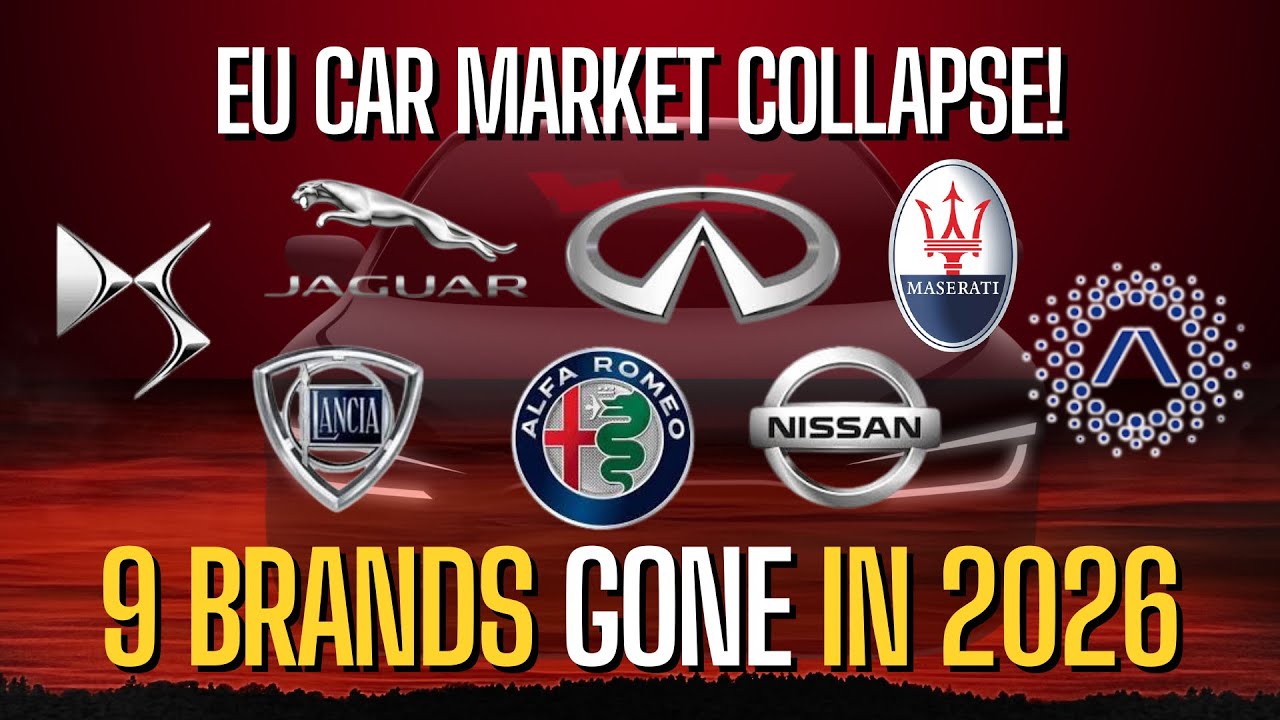
No major automakers have filed for bankruptcy yet
but analysts predict a “wave of bankruptcies” in 2026 driven by declining sales, high debt, EV transition costs, and fierce Chinese competition.

Key Takeaways
- No automaker bankruptcies yet, but storm clouds are gathering across the global industry.
- Nissan faces the most immediate financial risk, with potential collapse within the next year.
- Stellantis is rumored to be cutting vulnerable brands from its lineup.
- Jaguar, Polestar, Mitsubishi, and Mini show increasing warning signs—including debt, depreciation, and eroding market share.
- The supplier sector faces higher bankruptcy risk than the automakers themselves.
- Q1 2026 earnings will be a crucial checkpoint for survival.
Body
The auto industry is staring down a turbulent 2026. Despite no major automaker bankruptcies so far, analysts warn that a wave is looming on the horizon. Skyrocketing debt, sluggish sales, and high EV transition costs have combined with relentless Chinese competition to create a perfect storm.
Nissan is now considered the most exposed among global OEMs. Its balance sheet crisis, uncertainty after failed Honda merger talks, and shrinking survival window—just 12 to 14 months—make it a top concern for both investors and suppliers.
Stellantis, meanwhile, is expected to trim its line-up, putting brands such as Alfa Romeo, DS Automobiles, Lancia, Chrysler, and Maserati under close scrutiny. Expect tough decisions as Stellantis weighs margin pressures and efficiency needs.
Other notable brands—Jaguar, Polestar, Mitsubishi, and Mini—each face mounting distress signals. Their vehicles depreciate brutally, debt piles are rising, and market share continues to erode in most major markets.
But it’s not just carmakers at risk. The supplier sector faces even greater immediate bankruptcy danger. More than 60,000 jobs vanished in 2025 alone, with high-profile collapses like Luminar already entering Chapter 11 proceedings. When suppliers fall, the shockwaves threaten the entire auto ecosystem.
As one industry analyst noted:
“A major supplier bankruptcy could disrupt multiple global factory lines overnight.”
For business leaders across manufacturing, logistics, and tech, close monitoring of the automotive supply chain is now a necessity. Supplier failures could trigger unpredictable disruptions in every sector touched by a car component—from semiconductors to chemicals and steel.
All eyes are now on Q1 2026 earnings reports. These will reveal which companies can steer through the storm—and which may not survive the coming year.


FAQ
- Are any major automakers bankrupt yet?
No, but industry analysts widely expect a wave of bankruptcies to begin as soon as late 2025 or early 2026. - Which carmaker is at greatest immediate risk?
Nissan, due to its fragile finances, unresolved partnership issues, and a narrow survival window. - Why are auto suppliers in greater danger than OEMs?
Suppliers typically run on thinner margins, face fierce price pressure, and have less capital to ride out downturns. The EV transition has raised costs enormously for many suppliers. - How can auto bankruptcies affect other businesses?
Supply disruptions from bankruptcies can ripple across industries, causing delays or shortages in countless downstream products and sectors. - When will we know more?
Q1 2026 earnings reports will be critical for identifying which companies are in real trouble.