Key Takeaways
- AI-driven transformation is front and center at CES 2026 as industry leaders debut new advancements.
- Nvidia and Lenovo set the pace with launches in physical AI, robotics, and autonomous systems.
- Major corporations like Siemens, AMD, Caterpillar, McKinsey, and Mercedes-Benz showcase the growing impact of AI infrastructure across sectors.
- Physical AI (robotics + edge computing) moves AI beyond the digital, fueling real-world business transformation.
- Prominent executives lead the “AI-native era” panel, focused on practical, enterprise-scale implementation.
- Actionable takeaways span from construction automation to innovations in health wearables and residential technology.
- CES 2026 builds on last year’s Blackwell GPU surge by pushing agentic AI and business-ready solutions.
Body
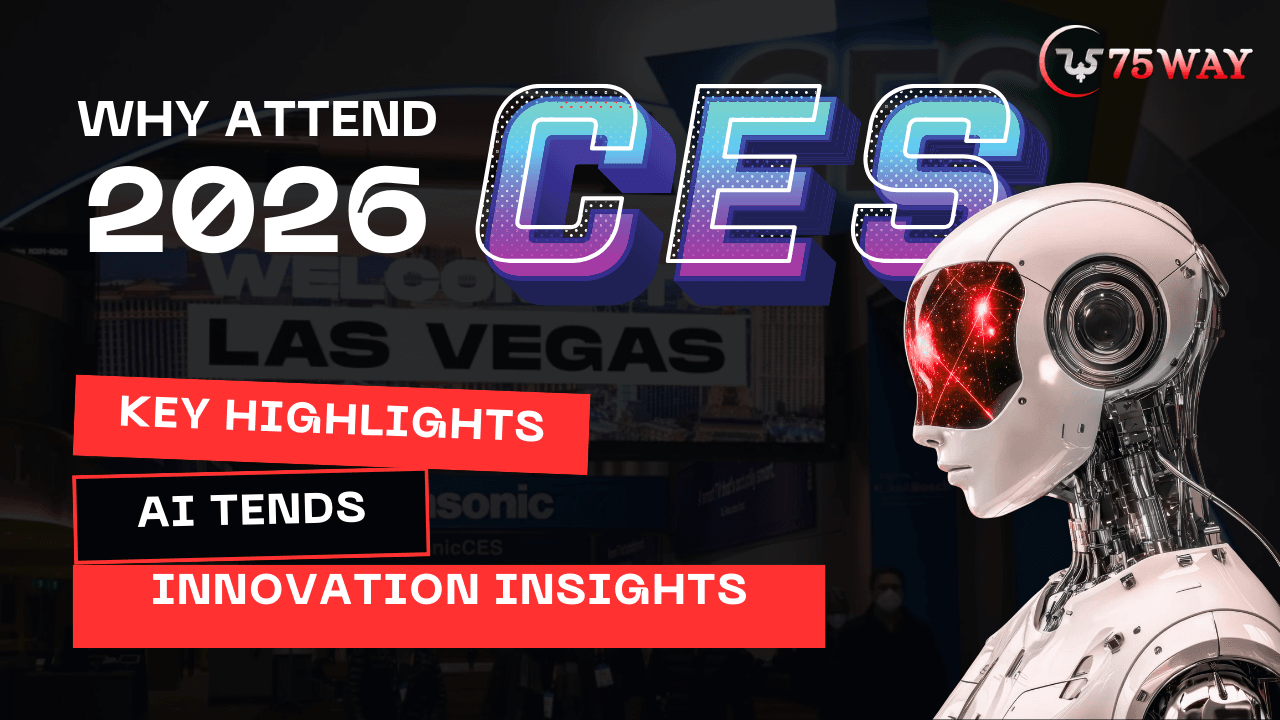
CES 2026 (January 5-9, Las Vegas) is setting a bold tone for the future of tech—with Nvidia and Lenovo leading groundbreaking announcements that push the physical boundaries of artificial intelligence. This year, the transformation isn’t just digital, but tangibly physical, as new solutions in AI robotics and autonomous systems enter daily business operations.

Business leaders from Siemens, AMD, Caterpillar, McKinsey, and Mercedes-Benz are demonstrating live how AI infrastructure is rapidly reshaping the worlds of manufacturing, consulting, automotive, and enterprise operations.

The defining trend? Physical AI. By combining robotics, autonomous vehicles, and edge computing, businesses can now deploy AI solutions in warehouses, factories, and even city infrastructure—bridging the gap between virtual intelligence and real-world deployment.

The “AI-native era” panel convenes C-suite executives, sparking a pragmatic discussion about integrating AI not as a side project, but as a central driver of enterprise value. As one executive puts it:
“Enterprises that treat AI as core infrastructure—not a feature—will shape the next decade.”

Across CES, sessions dig deep into industry-specific applications: construction automation with smart equipment, health wearables harnessing real-time edge computing, and next-generation residential technology offering new levels of personalized living. Every session aims for actionable ROI for business leaders.

The momentum that began in 2025 with the Blackwell GPU is only intensifying. This year, the spotlight shifts to agentic AI and easy-to-integrate business transformation tools, empowering both startups and established giants alike.

FAQ
-
What is “physical AI”?
Physical AI refers to the combination of robotics, edge computing, and autonomous systems to bring artificial intelligence out of cyberspace and into direct, tactile interaction in the real world—like robotics on factory floors or smart vehicles on city streets.
-
Who are the leading companies driving CES 2026’s AI transformation?
Nvidia and Lenovo headline the announcements, with key showcases by Siemens, AMD, Caterpillar, McKinsey, and Mercedes-Benz, highlighting both cutting-edge infrastructure and industry-specific AI use cases.
-
How is CES 2026 different from previous years?
Compared to the digital-centric focus of past events, this year highlights the leap from digital AI tools to physical, agentic systems that reshape business processes, infrastructure, and daily life.
-
What are the most promising applications discussed?
Top applications include construction automation, health wearables that adapt in real-time, smart residential tech, and scalable AI infrastructure for large enterprises.